We found ourselves in a cramped room, the air heavy with frankincense. The relics of St. Basil were shrouded, oiled, and watched over by an Orthodox monk who took one look at me and my husband and knew we were out of place.
‘You speak Serbian?’ he asked sternly.
‘No,’ I said, with the usual British guilt of knowing nothing but English.
‘English?’
I nodded.
He told us about the saint, then swiftly dismissed us so genuine pilgrims could enter.
I travelled on Monday to the European Championships in Montenegro this year – two days ahead of the rest of the team – so I could settle before the competition. It was the first time I’d ever managed to go sightseeing before an international, and although I’m not Christian, visiting the Ostrog monastery was a numinous experience.
That Friday, I sat back and watched the women in the British team win match after match before it was even my turn. Over the year each of them had sharpened and strengthened their kendo. They fought with energy, willpower, and youth – two of them easily young enough to be my daughters.
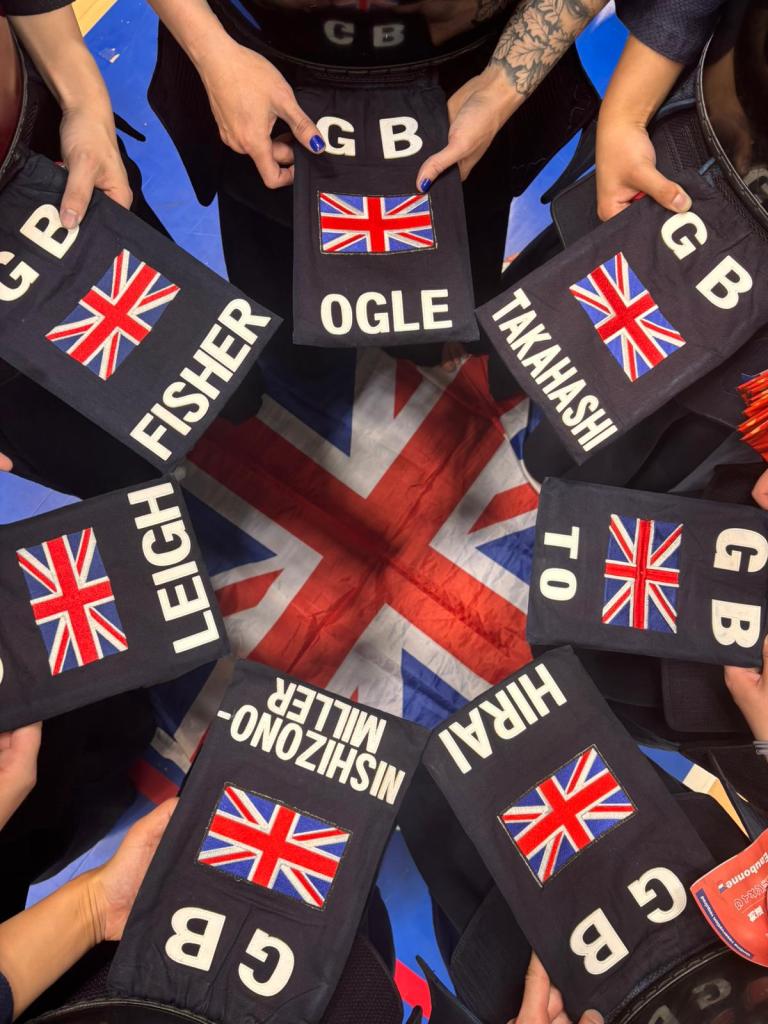
Before I knew it, we were stepping up for the final, and all I’d done was stuff up a match at the start and enjoy a few fun taisho fights. I only had to draw for us to take gold.
I did it again. Same as last year. It came down to me, and I couldn’t produce the result. I was furious with myself afterwards.
A past teammate came up to me while the photos were being taken after the medal ceremony. She’d been in the stands as a pundit for the weekend. She congratulated me. By this point I’d got past the ranting and rage.
‘Well, I didn’t do much, except lose us the gold,’ I muttered.
‘You being in that position allowed them to fight the way they did,’ she replied.
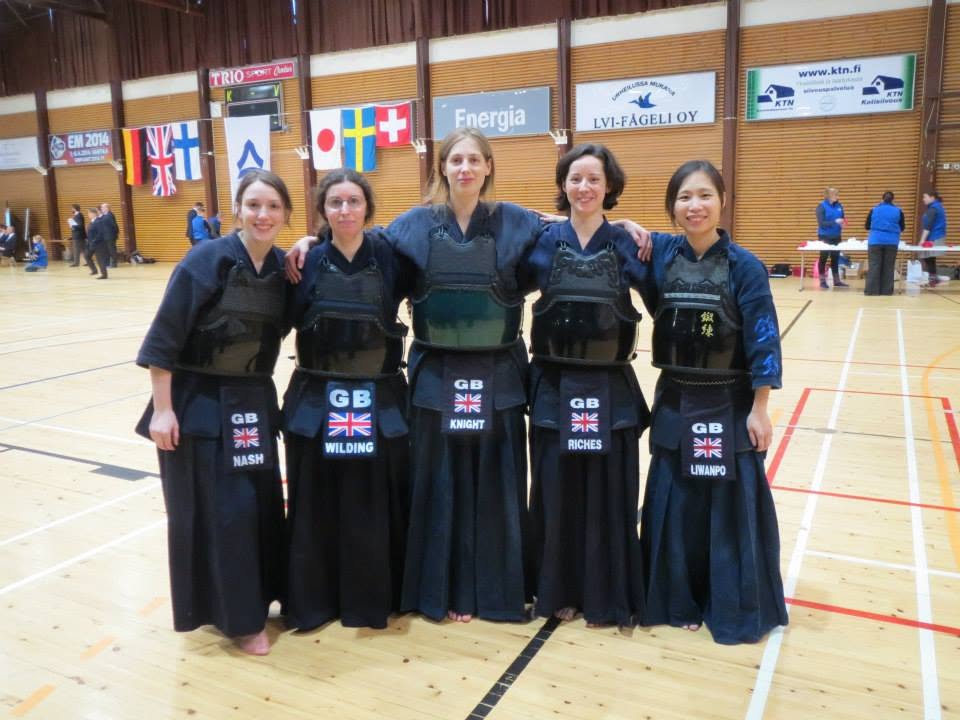
Even if I didn’t believe it, her comment made me feel better. There was a pause. My thoughts went back to the team when we both started – when we muddled through, did our best, and improved together. Pushing each other to get better. If that medal belonged to me, it also belonged to her. If it belonged to her, then it belonged to all the other women who’d ever been in the team. The women who kept moving us up, little by little, over the years.
The other day I heard a famous quote from Michael Jordan: ‘I’ve missed more than 9,000 shots in my career. I’ve lost almost 300 games. Twenty-six times I’ve been trusted to take the game-winning shot and missed.’
I found this heartening. For myself, of course – because I’m reminded I’m not the only person who makes mistakes, and it happens to the very best. But also when I think of the team. We might have had many shots in the past that we’ve missed, hundreds of games we’ve lost, but that doesn’t mean the time was wasted. As long as we’re improving, we’re achieving. As long as there’s succession, we will always be moving upwards. As long as we build on what we’ve got and remember our identity, the wins will happen when the conditions are right.
We often only see the wins – especially now most people live their lives on social media. We don’t want to share our failures or see the failures of others.
The week I got home, Wimbledon started. Some commentators spoke about the older players in a negative way, despite their obvious success. If they missed a ball, it was because they were old. If they stretched, it was because they were old. If they’d been injured, it was because they were old. If they were out of breath, it was because they were old.
I wanted Novak Djokovic to win. I wanted him to prove them wrong and, selfishly, to feel better about my own age. But as I watched his semi-final, it slowly became clear he wouldn’t. In the end, even though he lost, it was one of my favourite matches. Andre Agassi had been brought into the commentary box, and his words mirrored things I’d been feeling since the EKC – though more formed and eloquent.
At one point, when Djokovic looked to be in trouble, Agassi explained how the younger players who beat him now could only do what they do because Djokovic had shown them it was possible. There was no judgement. Agassi wasn’t taking accomplishments away from the younger players – just highlighting the importance of Djokovic’s contribution to the sport. The people who come before us show us what is possible.
Often it feels like time has gone past so quickly. Every now and again I still stand up to fight and think, somewhere in the back of my mind, that I have no idea what I’m doing, is my shinai even in the correct hand? However, when I think about when I first fought with GB, it feels like a lifetime ago. Then when I contemplate the different women I’ve fought beside over that time, it’s a numinous experience – like contemplating the relics of a saint. Sometimes I wonder if it’s been time well spent, but being part of it for so long makes me feel in a unique position.
Before Podgorica, I wasn’t sure I could put myself through selection again next year. I sometimes wondered if I was only still on the team because I didn’t want to miss out. But I went back to keiko after a couple of weeks of getting my head straight, and I still had the same determination, ambition, and desire to get better that I had over a decade ago. I want to see what the GB women’s team can do. I still want to be part of writing that history.
And the most important thing to remember – for the first time ever:
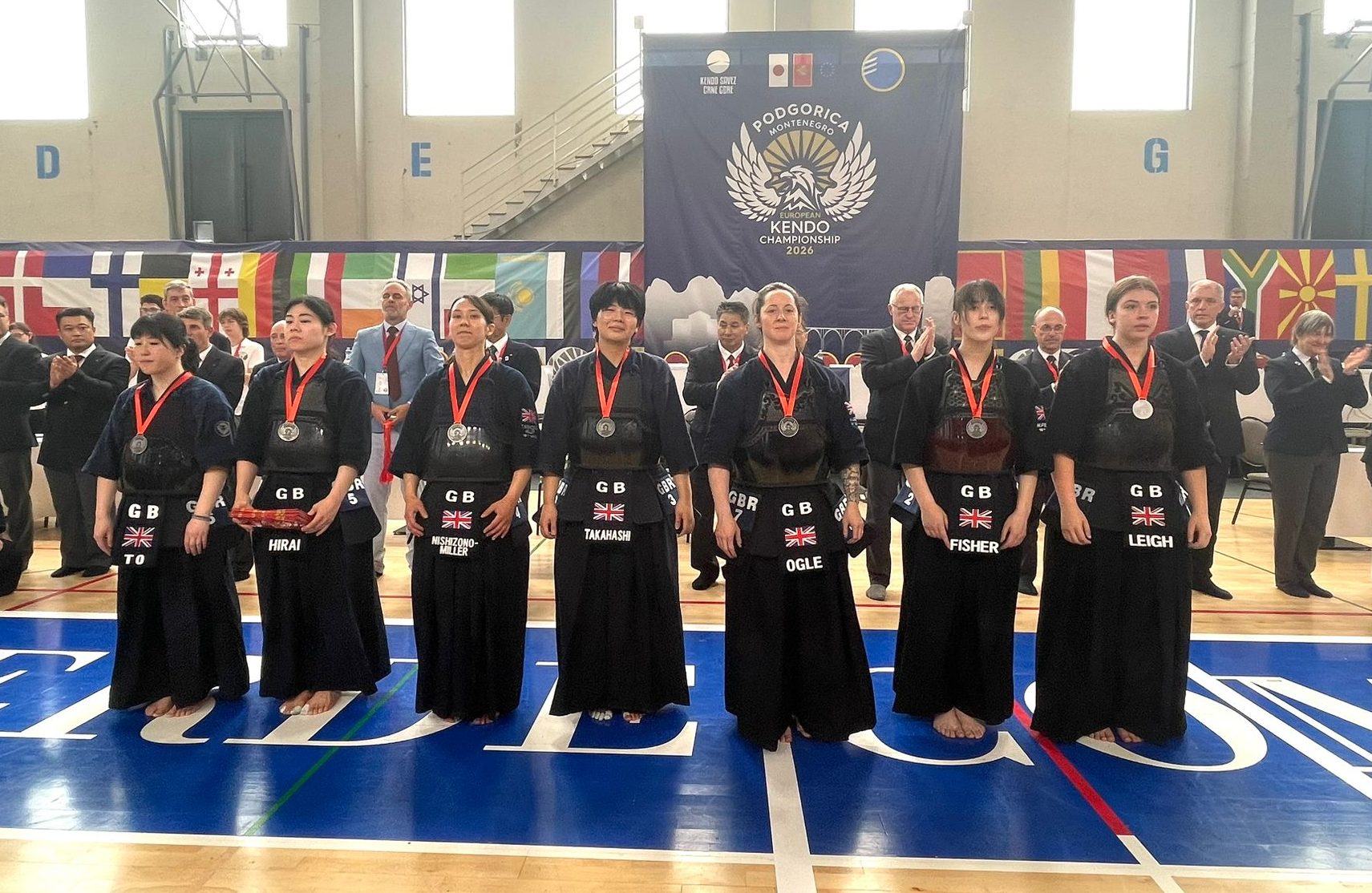
WE GOT SILVER!!!
About Rosanna Ogle
Rosanna Ogle is 5 dan and has practiced kendo for 16-years. She lives in Cardiff, Wales where she moved in her mid-twenties from The Forest of Dean in England. She trains with both Denshinkan and Akai Ryuu Kendo clubs in the city and has competed in eight European Kendo Championships and three World Championships with Team Great Britain. She works as a professional gardener and writes novels in her spare time.
 Kate Sylvester Perspectives