This platform highlights women’s perspectives and achievements in martial art and combat sport. It also challenges mythmaking and other dominant practices that undermine equality and safety in martial art and combat sport.

Kate Sylvester
Author | Researcher | Coach | Kendoka
New Publications
Journal Article
Kate Sylvester (2023) Resilience Building Pedagogies and Women’s University Club Sport in Japan, Asian Journal of Sport History & Culture, 2:3, 296-317.
Abstract: Anglophone studies on school club sport (undō bukatsudō 運動部活動) in Japan commonly consider sport as cultural fields that reproduce hegemonic masculinity and ‘traditional’ notions of femininity. This study suggests that school club sport for women in Japan is more diverse and complex than what the dominant symbolic level gender ideological frameworks imply. This article is based on a broader embodied ethnographic project that examines how university club kendo contributes to the construction of women’s identity via member relationships and sport’s cultural learning.
Book
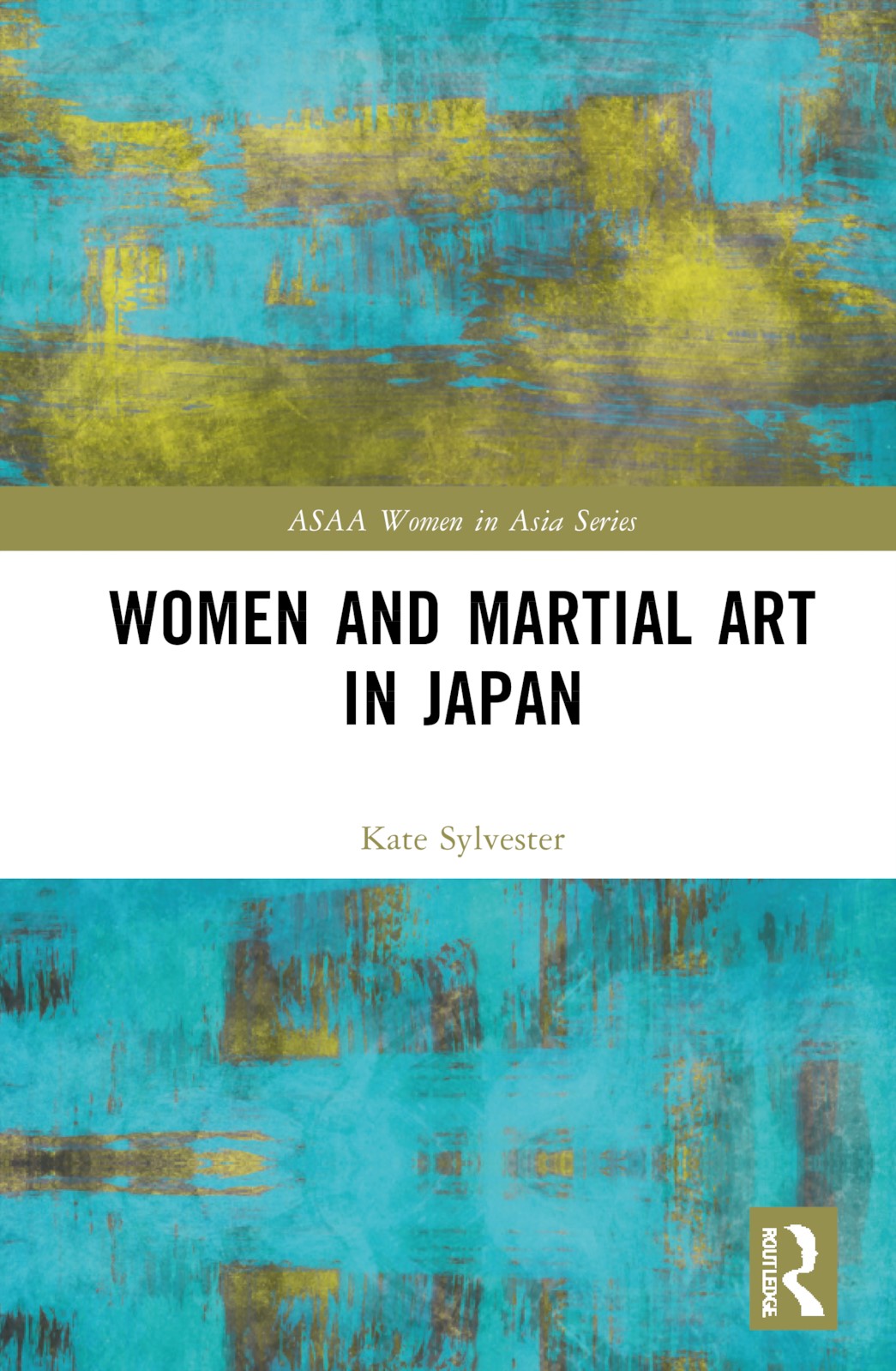
Women and Martial Art in Japan
Kate Sylvester (2023)
This book, based on extensive original research, examines the practice by women in a university sport setting of kendo, the Japanese martial art. The book illustrates an unexplored example of identity construction in Japan, one which legitimises women’s sport experiences within a male-centric physical culture, unpacks the notion of “tradition” in kendo.
Latest Posts
-
One Step Closer #7: “Failing” Forward with Gratitude.
I had felt all fired up writing up my journey to my 7 dan exam. For a while, I was writing with enthusiasm about all the things I was learning―not just about kendo, but about myself. I did not expect anyone else to read my blog―but several did and sent beautiful messages and expressed kind
-
Guest Essay: “The loneliness of the long-running team-member” by Rosie Ogle (Wales).
‘I’m sorry,’ I said surrounded by an explosion of bogu-bags, half-empty water-bottles, and the curled flattened tubes of energy gels in the kit room of the thirty-third European Kendo Championships (EKC). ‘I let you down.’ My eyes were still full of tears from when we came off after not getting through our pool. The team
-
One Step Closer #6: Showing Myself.
Competitive kendo is challenging. There are so many ways to become distracted and to lose focus on the shiaijo when we consider the aesthetic components and situations we cannot control. For example, the varying subjectivities and physical/mental/technical conditions of referees, players, coaches, managers, and competition administrators. Not to mention who is watching and what is
Subscribe to receive the latest post to your inbox.
 Kate Sylvester Perspectives