
By Kate Sylvester.
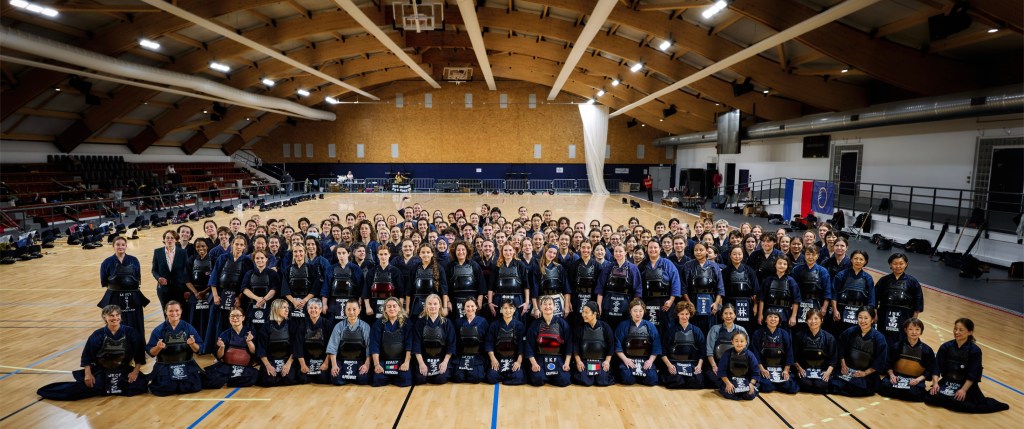
Now recognised as the largest women’s kendo event in Europe, and led by 7‑dan women sensei from around the world, the Women Aki Taikai (WAT) will take place later this year for the fourth time. Building on the steady development and success of the event since its first edition in 2023, the 2025 seminar and competition welcomed even more participants. One hundred eighty women from 20 countries attended, reaffirming its status as the largest women’s kendo gathering in Europe. The accomplished Mariko Suenaga (née Yamamoto) from Japan was also invited to teach at the seminar, joining 18 other Europe‑based women 7‑dan instructors.
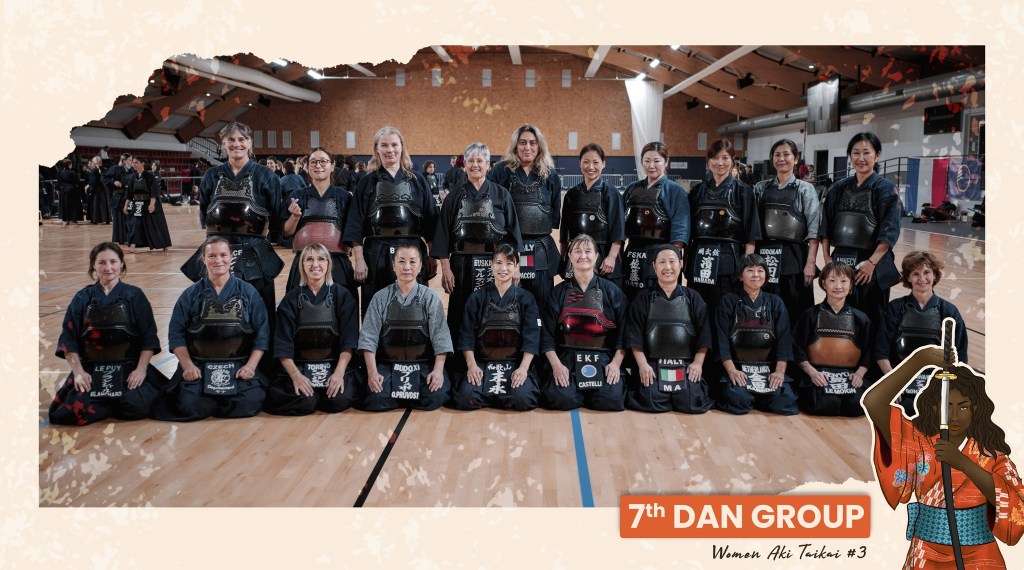
The first Women Aki Taikai took place in 2023 in Nanterre, France, and was significant for several reasons. It marked a major step forward for women’s kendo in Europe: the seminar was led by seventeen 7‑dan women and attended by 150 participants from 26 nationalities, ranging in age from 13 to 68. It was also the first time in European kendo history that women 7‑dan practitioners were included in a competition category that formally recognised their level and status.
The second Women Aki Taikai, held in 2024, brought together 175 women from 18 countries. That year, seventeen women 7‑dan instructors led the seminar alongside the well respected Mika Shimokawa from Japan.
Although the catalyst for the creation of the Women Aki Taikai was the ongoing exclusion of women from the 7‑dan category at the France Kendo Open (Open de France), this chapter now appears to be behind us. Following the success and visibility of the WAT, women are now invited to compete in the 7‑dan category of the Open de France—a change powerfully underscored by Aurélia Blanchard’s third‑place finish in 2025.
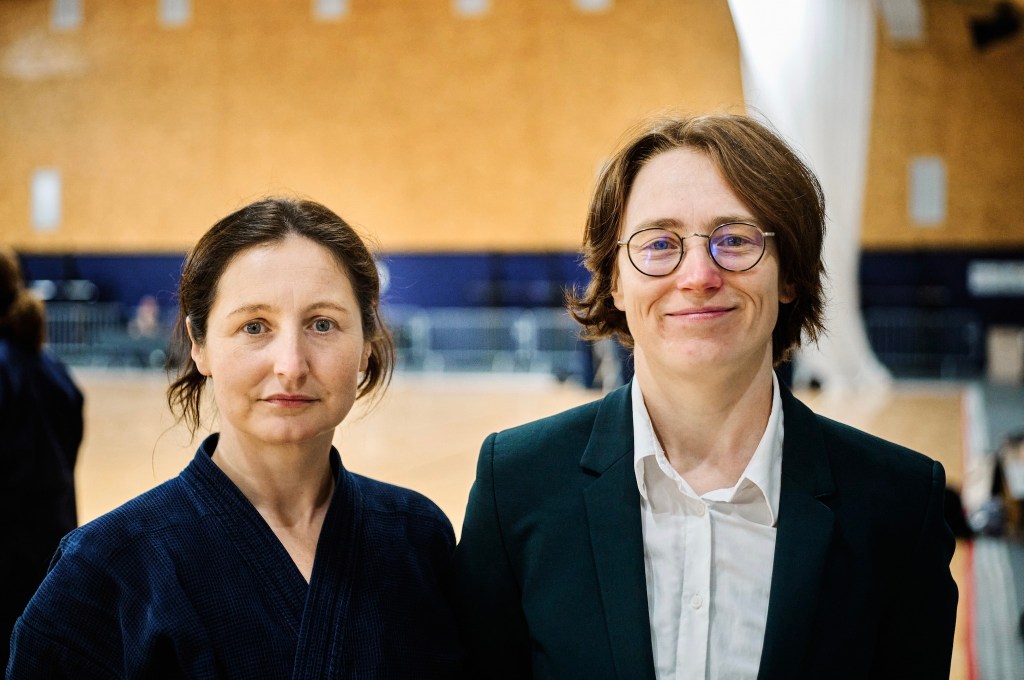
Photo credit: Cyril Besnard
The event was once again supported by the CNKDR (Comité National de Kendo et Disciplines Rattachées – France Kendo) and other sponsors, including the EKF (European Kendo Federation). According to reports, the 3rd WAT was a great success and was very well orchestrated by head organisers Aurélia Blanchard and Sophie Kong, together with their team: Franck Despagnat (Communications Manager, France Kendo), Alexiane Vidil‑René, Candice Allouche‑Dufour (Communications), Stéphane Ploquin and Clément Danila (Video), and Cyril Besnard (Photographer).
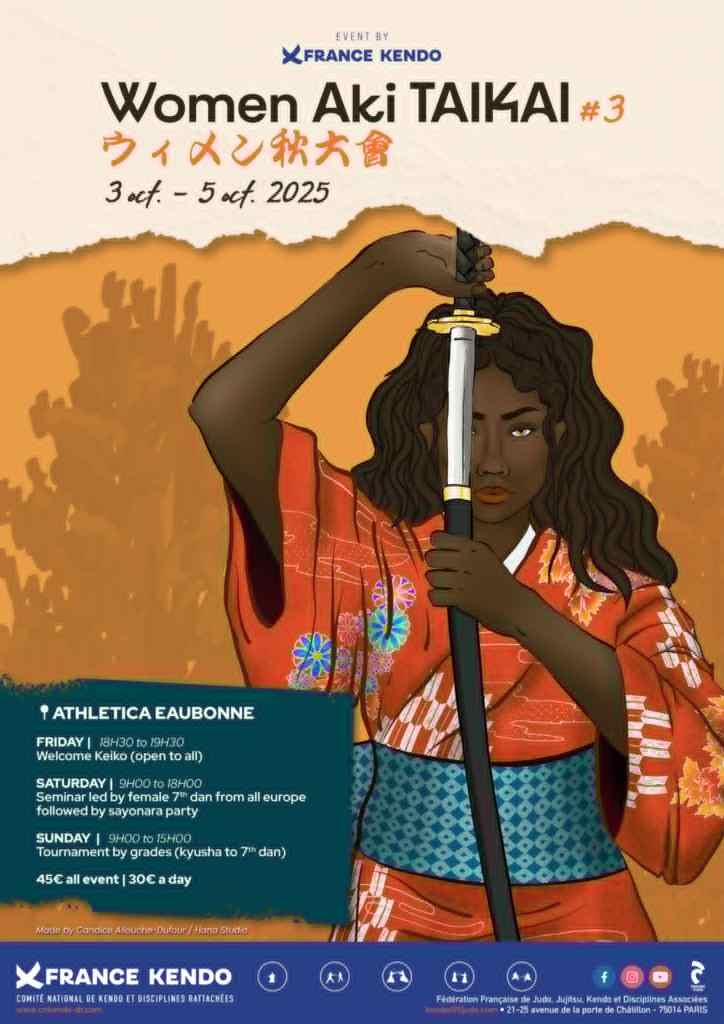
The graphic designs created for the event are striking, blending cultural interpretations with the artists’ personal visions of kendo and femininity as strength. I was especially impressed to see representations that moved beyond the usual depictions of women in kendo. Curious about the intention behind this broader perspective, I asked Candice Allouche‑Dufour what inspired her design concept.
Regarding the poster design, Candice Allouche‑Dufour explained: “I felt it was important to represent a different kind of woman. Kendo is not practiced only by white women or Japanese women. There are also women of color, women with disabilities, injuries, and very different life stories. I wanted to make a strong statement, especially considering the commitment and values this event stands for.”
It is clear that the event champions inclusion—something often missing from kendo, as Aurélia Blanchard elaborates later in the article.
The following text shares reflections from Aurélia Blanchard, on WAT and the development of women’s kendo. Her perspective is both inspiring and thought‑provoking, highlighting that for kendo to remain meaningful and relevant in today’s society, genuine inclusion and the broader utilisation of women’s skill and knowledge are essential for the art’s continued growth.
Kate Sylvester (KS): What were some of the highlights of the 3rd Women Aki Taikai for you?
Aurélia Blanchard (AB): One of the biggest highlights for me was definitely the 7th dan tournament, with the participation of the world-renowned Mari Suenaga. All the practitioners in this category showed an exceptionally high level, and I felt both very happy and deeply moved knowing that everyone present was able to witness this. Of course, seeing Mari’s level was incredibly inspiring, but it was also powerful to see the strength, precision, and presence of the European women sensei as well. It really showcased what women can achieve at the highest level of our discipline.
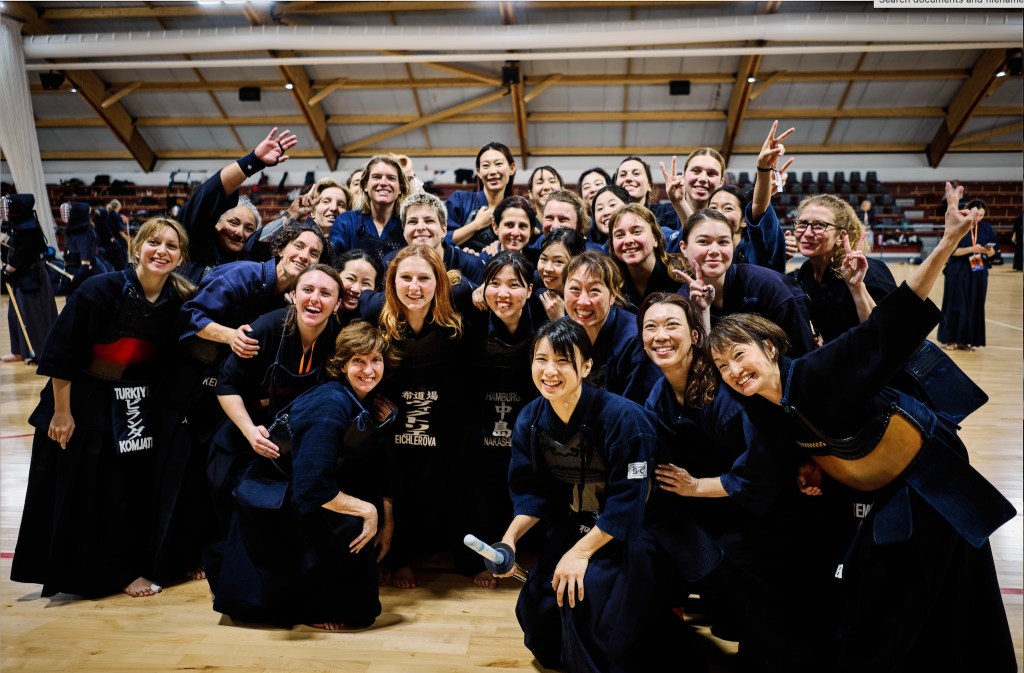
Another moment I truly loved was the karaoke on Saturday night. The atmosphere was relaxed, warm, and full of joy. We laughed, sang, and shared a beautiful moment together — a reminder that beyond competition, this event is also about connection, sisterhood, and having fun together.
KS: What was improved on for the 3rd Women Aki Taikai?
AB: One aspect that was clearly improved for the 3rd Women Aki Taikai was communication. Ahead of the event, we made a real effort to introduce each sensei on social media, so participants could already feel connected to the women who would be teaching and competing. This helped create a sense of familiarity and excitement even before the Taikai began.
We also worked on making the schedule more fluid, especially around meal breaks. By organizing staggered departure times, we were able to reduce congestion and create a smoother, more relaxed experience for everyone. These may seem like small details, but they make a big difference in how welcoming and comfortable the event feels.
KS: What was the focus for the seminar?
AB: The training focus for each group remains largely consistent from year to year, with only minor adjustments depending on the sensei and the participants. Rather than changing the structure, we focus on deepening understanding, refining fundamentals, and allowing each practitioner to progress at her own rhythm within a stable and well-established framework.
KS: Why do you think women-only seminars are important?
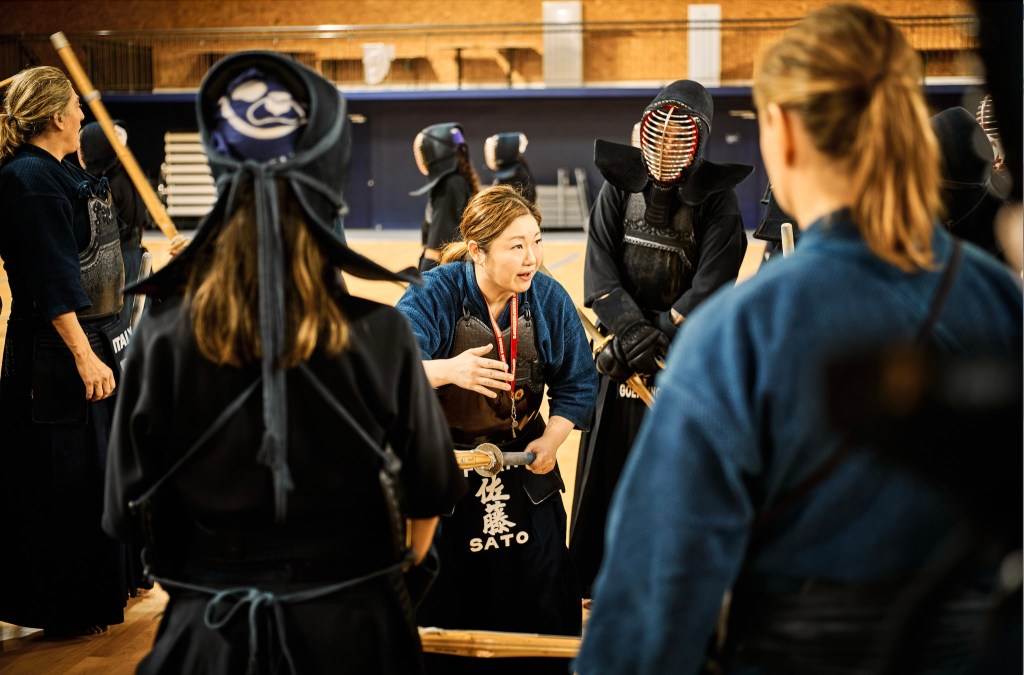
AB: I believe women-only seminars are incredibly important, first and foremost because they offer visible female role models. In many dojos, the majority of practitioners and teachers are still men, so having the opportunity to train with and learn from experienced women sensei is both inspiring and empowering.
Female teachers often bring a unique perspective to their teaching, shaped by their own journey and the tools they have developed to progress in a predominantly male environment. This kind of transmission is precious. Women-only seminars also allow us to work on exercises with partners who often have a more similar body type and strength, which can completely change the way we experience and understand techniques.
Beyond the technical aspects, the overall atmosphere is usually more relaxed, supportive, and warm. It creates a safe space where women can train, express themselves, and grow together — with confidence, joy, and mutual encouragement.
KS: Why is the Aki Taikai important for the development of kendo in Europe?
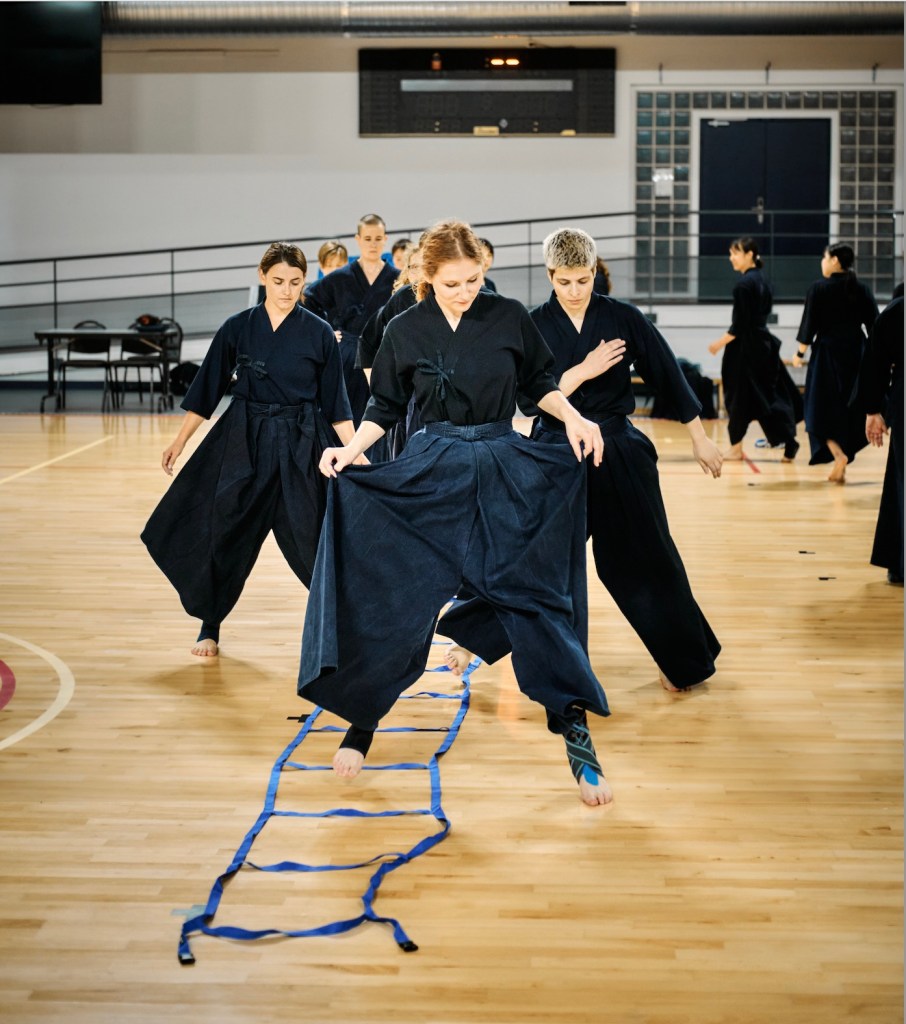
AB: The Aki Taikai plays an important role in the development of kendo in Europe because it creates a space where high-level practice, transmission, and community all come together. It allows European practitioners to train, compete, and grow in an environment that encourages excellence while remaining supportive and inclusive.
For women in particular, the Aki Taikai helps make female kendo more visible and valued. By highlighting experienced women sensei and strong European practitioners, it contributes to raising the overall level and confidence of women in kendo across Europe. This visibility inspires younger generations and helps balance a landscape that has long been male-dominated.
More broadly, the Aki Taikai strengthens connections between practitioners from different countries, cultures, and backgrounds. These exchanges are essential for the healthy and sustainable development of kendo in Europe, both technically and humanly.
KS: Do you see there are any gaps between the status of women and men 7- dan in Europe? For example, do 7-dan woman sensei sit on a high-level grading panels?
AB: Yes, I do believe there are still significant gaps between the status of women and men 7-dan in Europe. One very visible example is that we still rarely see women sitting on high-level grading panels, especially for 6 and 7-dan examinations. This lack of representation sends a strong message, whether intentional or not, about whose expertise is considered legitimate at the highest levels.
There are also more subtle but recurring differences in how women sensei are positioned during mixed seminars. When several high-ranking teachers are present, women are almost always assigned to teach the kyu groups. Of course, teaching beginners is meaningful and important work, but it can feel as if this choice implies that a 7-dan woman is less capable of contributing to the development of higher-grade practitioners. I can’t speak for the intentions of the organizers, but this is how it is often experienced from our side.
Even small details reflect these inequalities. During sensei introductions, men’s full titles—such as renshi or kyoshi—are often clearly mentioned, while the same information is sometimes omitted for women. These may seem like minor oversights, but when they happen repeatedly and almost exclusively to women, they are not neutral. Recognition matters, and equality is also built through these details.
KS: With the growing number of 7-dan women in Europe will there be any changes to how the event is organised in the future?
AB: It’s true that the number of women reaching 7-dan in Europe has been growing very quickly in recent years, and that is truly a positive and encouraging sign. For now, we haven’t yet managed to bring all of them together at this event, but it would be wonderful if we could do so for the next edition in October 2026.
If, in the future, the growing number of 7-dan women were to create organizational challenges, we would of course take the time to reflect and adapt. But at the moment, this growth is not a problem at all — on the contrary, it’s something to celebrate. It shows that women’s kendo in Europe is evolving, gaining strength, and opening new possibilities for the years to come.
KS: It is much work to organise such an event. How do you benefit from it and what advice can you offer others that are thinking about organising kendo events?
Yes, it is a lot of work. For anyone thinking about creating this kind of event, my first advice would be to make sure you have enough time and energy to dedicate to it. Organizing a kendo event requires long-term commitment, attention to detail, and the ability to handle many things at once. I would also strongly recommend surrounding yourself with people who are competent, responsive, motivated, and above all, trustworthy. Having the right team makes all the difference.
Personally, by the time the event finally takes place, I am already quite exhausted from the preparation. It usually takes me several weeks after the Taikai to fully recover, especially because there is still work to do once the event is over.
That being said, it gives me so much in return. I feel deep satisfaction seeing so many women sharing the same passion as me. I feel proud of what we have achieved, and truly touched by the gratitude expressed by the other sensei and the participants. And beyond all of that, I have gained strong friendships along the way — including one very special one with Sophie. Those human connections make all the effort absolutely worth it.
KS: How does the event promote inclusion in kendo? Is the event only open to cis-gender women?
AB: Inclusion is a core value of the event. The Women Aki Taikai is open to anyone who identifies as a woman. What truly matters to us is not labels, but creating a space where everyone can feel safe, respected, and able to practice kendo with confidence.
Participation is always based on mutual respect and care for others. As long as someone is not a danger to others and does not harm, intimidate, or undermine the well-being of the participants, she is welcome. Our priority is to maintain an environment that is supportive, respectful, and aligned with the values of kendo and of this event.
By clearly affirming these principles, the event aims to promote inclusion while ensuring a safe and positive experience for all practitioners.
Results 2025 Women Aki Taikai
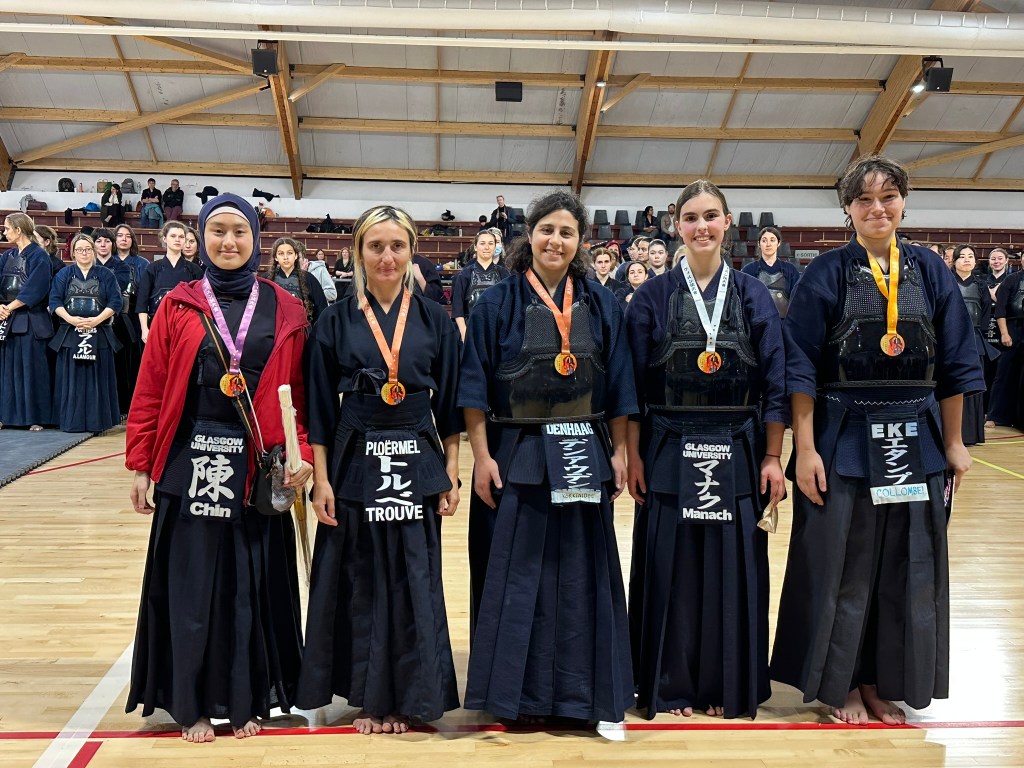
KYU
1st Place: Anaé Collombel
2nd Place: Mari‑Lwenn Manach
Equal 3rd Place: Katerina Kokkinidou, Trouve Elisa Magdaléna
Fighting Spirit Award: Yanee Chin
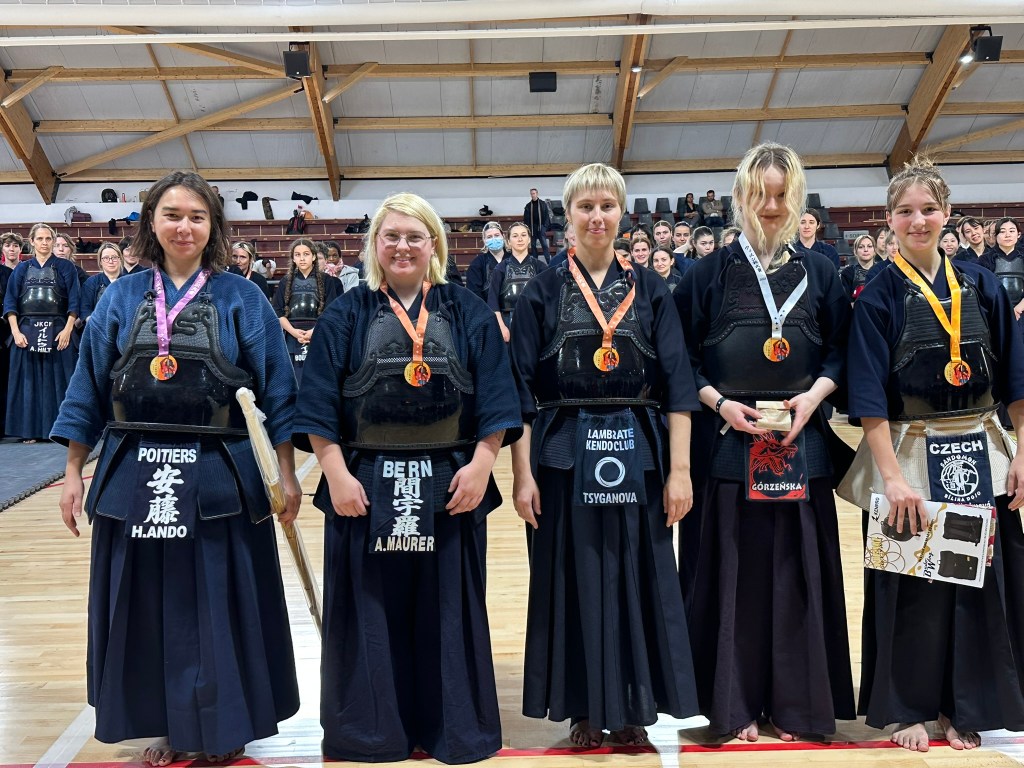
1 DAN
1st Place: Johana Ai Ziegelheimova
2nd Place: Anna Gorzenska
Equal 3rd Place: Alina Tsyganova, Anna Maurer
Fighting Spirit Award: Hiromi Ando
2 DAN
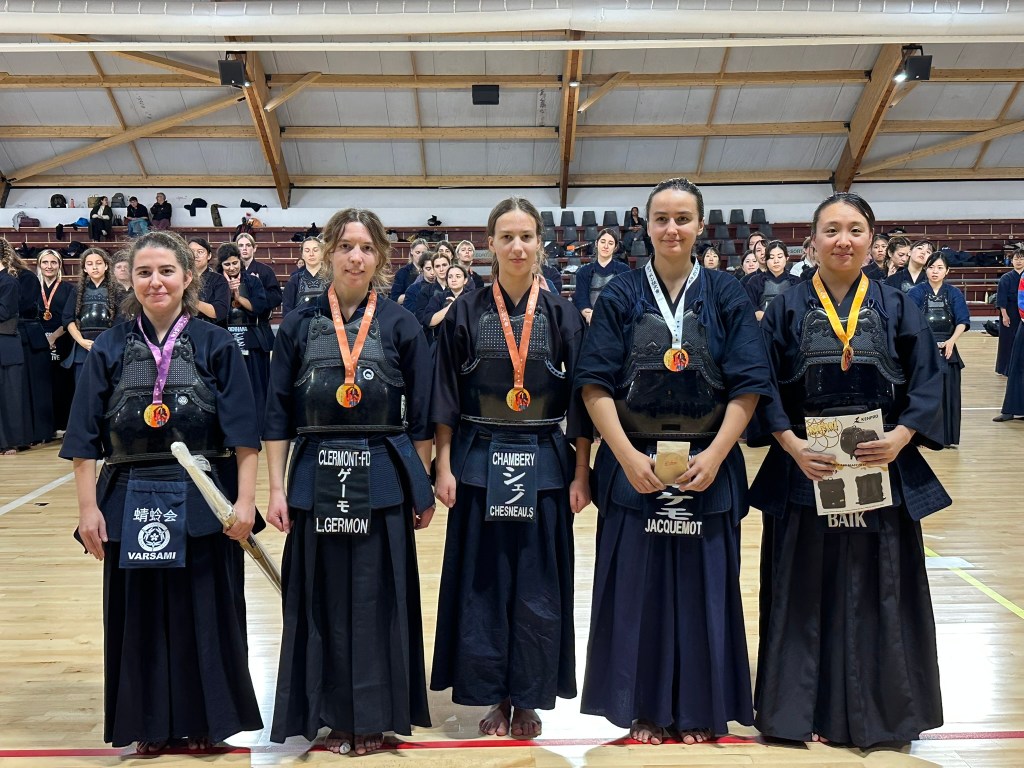
1st Place: Jungwon Baik
2nd Place: Noémie Jacquemot
Equal 3rd Place: Sara Chesneau, Lucie Germon
Fighting Spirit Award: Sevilli Varsami
3 DAN
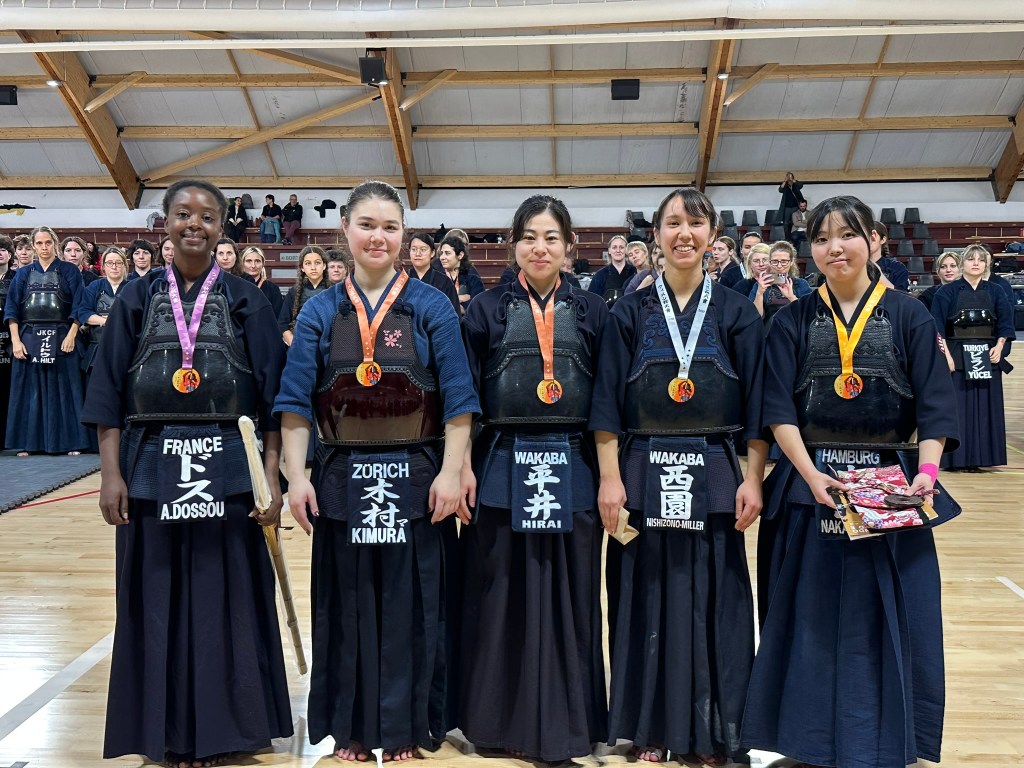
1st Place: Tomomi Nakashima
2nd Place: Tatiana Nishizono‑Miller
Equal 3rd Place: Thaís Kimura, Kanako Hirai
Fighting Spirit Award: Alfée Dossou
4 DAN
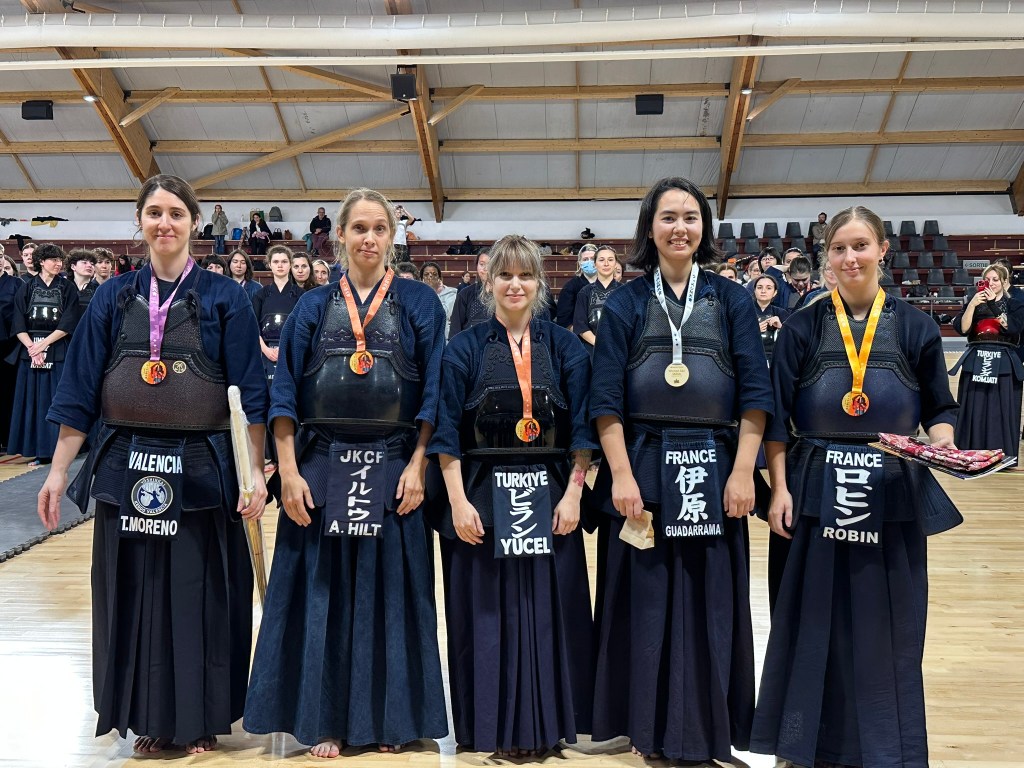
1st Place: Adélie Robin
2nd Place: Saya Guadarrama
Equal 3rd Place: Biran Yucel, Amandine Hilt
Fighting Spirit Award: Tais Moreno
5 DAN
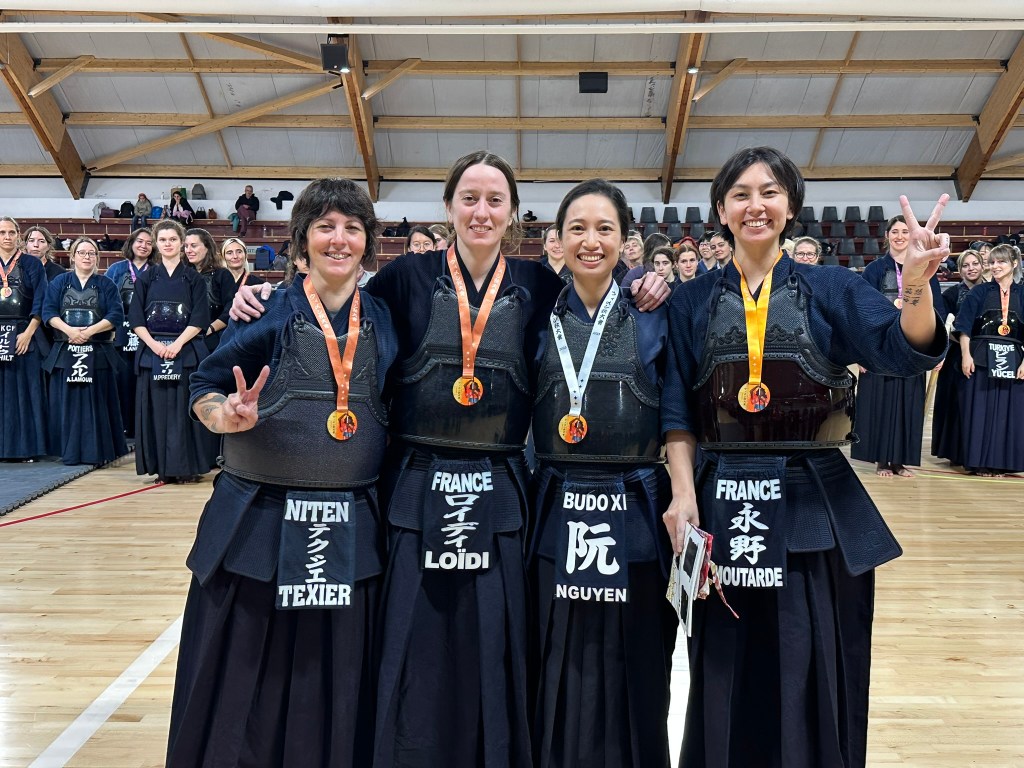
1st Place: Kiyoko Moutarde
2nd Place: Minh Ha Nguyen
Equal 3rd Place: Inès Loïdi, Coralie Texier
Fighting Spirit Award: Joanna Labak
6 DAN
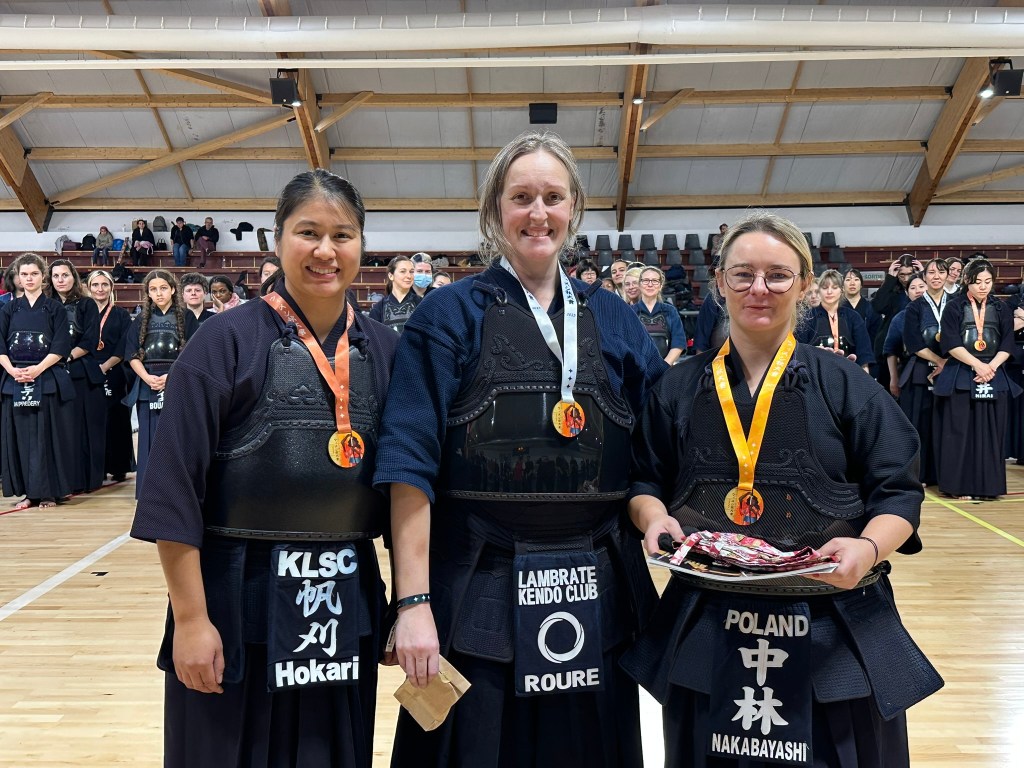
1st Place: Agniezka Nakabayashi
2nd Place: Cécile Roure
3rd Place: Marina Hokari
7 DAN
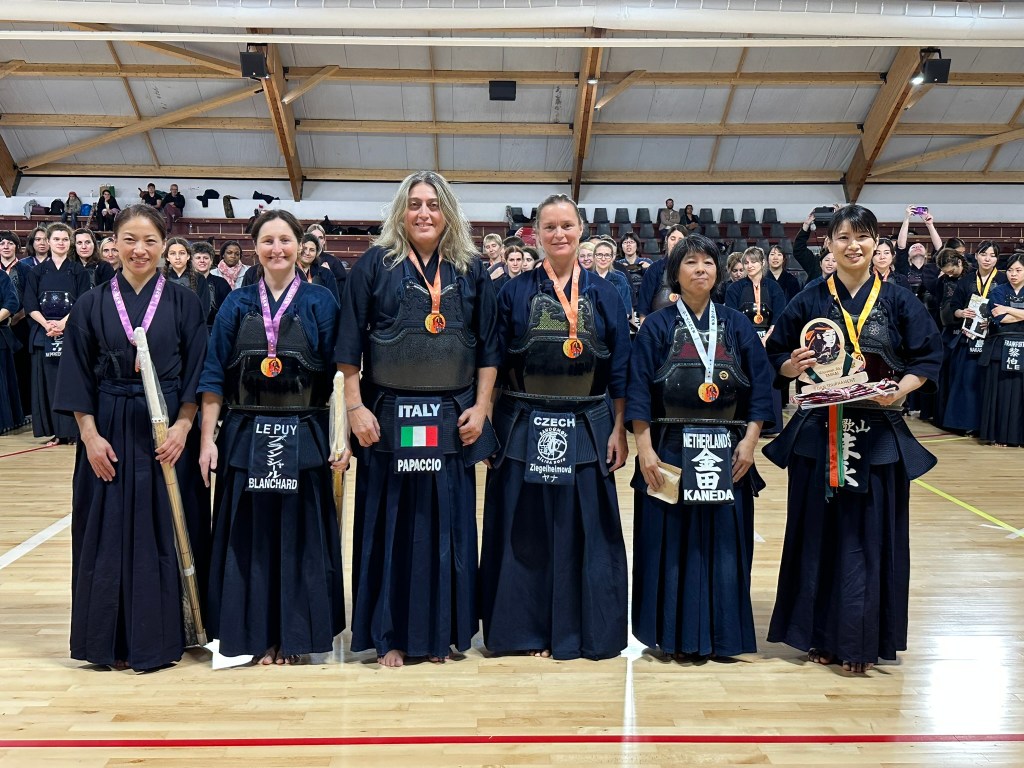
1st Place: Mari Suenaga
2nd Place: Akemi Kaneda
Equal 3rd Place: Jana Ziegelheimova, Angela Papaccio
Fighting Spirit Award: Aiko Dessirieix, Aurélia Blanchard
ANNOUNCEMENT!
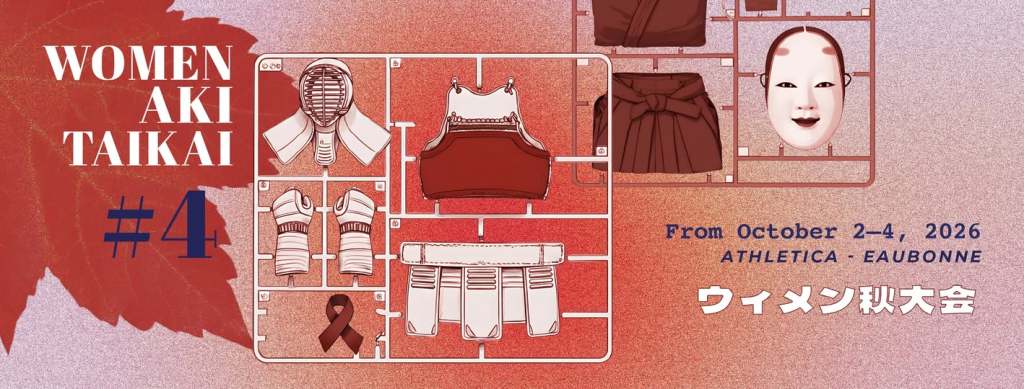
The dates for the 4th Women Aki Taikai have been confirmed. The event will be held on the weekend of the 2-4 October, 2026 in Eaubonne, France. It is anticipated to be another excellent event.
Project management : Aurélia Blanchard, Sophie Kong
Design graphic and illustration : Jihane Chartier, Alexiane Vidil-René
Inquiries : kendoaufeminin@gmail.com
What are your thoughts on this article? Please comment below.
Disclosure Statement
The articles published on this website present the owner of this blog website’s perspective, based on personal experiences, unless stated otherwise. They do not represent those of people, institutions or organisations that the owner may or may not be affiliated with in a personal or professional capacity unless explicitly stated. All content in these articles are for informational purposes only. People’s perspectives that may appear as information in these articles do not reflect the perspective of the owner or other people’s perspectives. Any views or opinions are not intended to malign any religion, ethnic group, club, organisation, company or individual. The owner of this blog makes no representations as to the accuracy or completeness on this site or found by following a link on this site. The owner will not be liable for any errors or omissions in this information nor for the availability of this information. The owner will not be liable for any loses, injuries or damages from the display or use of this website.
 Kate Sylvester Perspectives
2 responses to “The 3rd Women Aki Takai with Aurélia Blanchard (France).”
Dear Kate
Thank you so much for your articles.
As a man, I feel very important that women take the initiative to share their feelings about kendo, to organise their place in the kendo world, and actually to enrich the kendo in general.
Kind regards
Jp
LikeLike
Dear Mr. Labru
Thank you for your comment. Could you please elaborate, or explain in a little more detail what your perspective is in the context of this article? Thank you.
Kindest regards,
Kate Sylvester
LikeLike