By Kate Sylvester.
This text is part 2 of a 2-part article that focuses on women’s participation at the 19th World Kendo Championships (WKC). Part 1 shared highlights from the women’s competitions at the tournament. Part 2 delves into women’s perspectives on the 19th WKC which highlight the positive developments in WKC kendo, as well as the pressing need to further improve certain practices.
This article also provides suggestions on how to better support the development of international women’s competitive kendo, as well as a hopeful example of how male coaches perform micro-actions in support of enhancing women’s status and skill development through WKC kendo. Overall, the reflections in the article convey how WKC kendo provides a deep sense of purpose and community for women.
Passages of this article that share my perspectives are based on my WKC experiences that span over 24-years as a national team competitor and coach for 8 WKC. I also write this article from the viewpoint of an academic researcher of women’s kendo and sport.
The Challenges of WKC Refereeing
Prior to sharing the reflections of women participants, it is important to discuss refereeing and Team Japan’s “X-Factor.” Refereeing is always a hot topic of critical discussion during and after a WKC. At this WKC, the referees were even under more scrutiny in relation to the recently implemented COVID rules. More so than at previous WKC, observers and participants expressed their objection to the refereeing from the stands and in social media. The performance of the head judge of the final men’s team match was the main focus of this critical attention.
The men’s final of the tournament in recent history, usually between Japan and Korea, with the exception of 2006 when USA and Korea played in the final, has been the subject of controversial refereeing. Debatably, factors that can, but not always, influence referee decisions are the politics in kendo and that Japanese kendo is the (high) standard by which ippon and hansoku are decided by.
This critical attention drawn to the men’s team final this WKC raises an important question about the shinpan selection for the finals. Is it the best solution to have Japan-born shinpan that reside outside of Japan and with less experience to judge the final matches? Is it possible to have the most experienced shinpan referee the finals trusting that they will judge fairly without succumbing to the cultural pressure of their nationality? Having said that, there are even discrepancies in refereeing within the highest of ranks. This shows that shinpan, regardless of rank, are not immune to human error and that decisions can reflect personal perspectives and differences in kendo philosophies.
Decision-making processes in shiai is complex and can be subjective. Sometimes the features of kendo allow for a bias that is often unconscious, but no less detrimental to the development of kendo. This issue is less problematic in the women’s team final given that the Japanese women’s team is unrivalled and that women’s kendo is lower in status. The cultural ownership of kendo does not ride on the women’s team final. As such, it can be fair to say that the refereeing has been fairer in the women’s final, than in the men’s team finals.
However, at this WKC some women contestants complained of “light handed flags” and some errors in judgement during Team Japan’s matches in the women’s event. One competitor explained that she felt a “loss of dignity” and missed learning opportunity as some of the ippon awarded to Japan in her team match, even by Japanese kendo standards, were not good ippon she commented. After talking to the competitors and observing their behavior before and after the matches, it seemed less of an honor to fight Japan and rather more competitive, as evidenced by their disappointment when matches were lost fairly or to “light handed flags” that awarded points to Japan’s “X factor”.
These reflections observe the developments in women kendo but also arguably, the unconscious bias in kendo refereeing that award points to Team Japan’s “X-Factor.” However, it has to be said that unless you are a competitor in the match, or arguably a courtside coach/manager that has a clear view of all target areas, it is ambitious―if not impossible for shinpan that are not highly experienced refereeing high-level competitions in Japan, to judge faultlessness given how Team Japan set-up and execute their strikes with incredible levels of dexterity and commitment. Not to mention Team Japan’s remarkable tactics that can evade hansoku and score points in the “grey zones” of the COVID rules.
Even as a spectator not under the pressure of officiating, it is extremely difficult to discern fault with Team Japan’s strikes and overall style of play. Although it may be possible to detect faults in slow-motion replays. Admittedly, I watched the ippon awarded in the women’s team final in slow motion, from different camera angles, and numerous times, to assess whether ippon awarded had actually struck datotsubu. In the final match, there were indeed some ippon that did not strike datotsubu. However, I am certain few shinpan could have detected this given the speed, sound, and intensity of the strikes. Not to mention, the other important components of ippon that were present in these points such as riai and zanshin.
It may be neccessary to provide opportunities for shinpan to sharpen their skills at high-level competitions in Japan, or even to introduce a system that allows competitors and coaches to appeal and request video replay, similar to the procedures in most other sports. However, an issue with video replay is that other important criteria that constitute an ippon, such as riai and zanshin, can not necessarily be detected in video playback. Nevertheless, more countries are investing significantly in their preparation for the WKC than in the past, so it is vital that refereeing is made fairer for competitors and easier for referees to judge more accurately.
Team Japan’s “X-Factor”
The kendo embodiment that Team Japan members possess, referred to in this article as the “X-Factor,” is a manifestation of a certain type of kendo trajectory and full immersion in a physical culture that closely reflects and reproduces Japanese societal values through the body. Although there is a distinct improvement in women’s international kendo, Team Japan’s level of kendo embodiment is superior and the members have earned it. Let’s take a moment to reflect on how many hours of gruelling kendo training and how many competitions Team Japan members have dedicated themselves to. It is a remarkable quantity.
Team Japan member’s level of kendo embodiment cannot be imitated or fabricated. However, with smarter coaching, greater investment, and increased collaboration between national teams ―there is hope for international women’s kendo to come closer to Japan’s level.
The widening skill gap between the Japanese women’s team and the rest of the world is also a result of the status of women in kendo. The gap is often thought to reflect the longer history of men’s kendo, gendered social role norms, or that men naturally have a physique more suited to kendo. However, it could be argued that the central issue is the lower status of women’s kendo which has been demonstrated by gender inequitable practices at the WKC. In addition to a general lack of interest in narrowing the gap between the Japanese women’s team and the rest of the world.
Another issue regarding development is that, generally it is more difficult to build relationships and secure training opportunities with Japanese elite female kendo competitors. Gender ideologies that shape practices and access have played a prominent role in the sluggish development of women’s international kendo and the widening gap between the Japanese women’s team and the rest of the world.
Until a women’s team defeats Team Japan and more status (in terms of financial resources) is allocated to the women’s team, it is doubtful the team will travel further than Korea to practice shiai. The USA’s men’s team defeat of Japan in 2006 had a significant impact, and to this day the Japanese men’s team travels to the USA for training. Undoubtedly these opportunities raise the overall level of men’s international kendo.
Surely the level of international women’s kendo could be raised if the Japanese women’s team participated in national team meetings in other countries. In the absence of such an opportunity, women’s national teams must work together with the aim of becoming formidable opponents to Japan. The development would be furthered if the All-Japan Kendo Federation, as the cultural proprietors of kendo, also gave more support to the growth of international women’s kendo.
Reflections of Women WKC Participants
Women who performed in various roles at the WKC were invited to share their experience or reflections on women’s kendo at the 19th WKC. Both optimistic and critical reflections were shared. The perspectives highlight the positive developments and the need to continue improving practices that support women’s advancement through WKC kendo. Overall, the comments convey how WKC kendo provides a deep sense of purpose and community for women. It is also important to note that women from a broad cross-section of countries were invited comment, including Japan, but not all were able to contribute to this article on this occassion.
Donatella Castelli (Italy): EKF Board Member
The WKC has been a great success, I feel great pride, as member of the Italian Kendo Confederation: CIK made an enormous effort to stage this edition. The WKC has entered in its adulthood, with equal opportunity for men and women. Lady shinpan were finally included and did very well, as we all expected. Let’s hope that the selection of shinpan also entered into adulthood and that merit is finally recognized, not on the basis of gender, but on the ability to handle difficult fights with the appropriate attitude and knowledge. There is still room for improvement there.
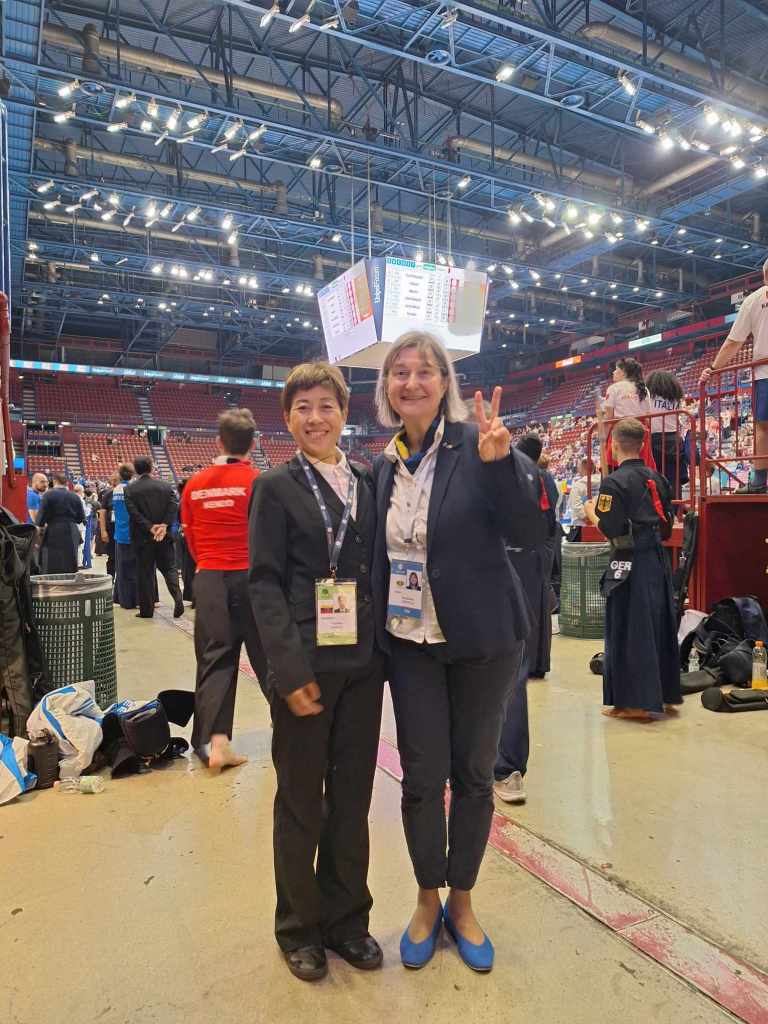
Eva Ricciuti (Italy): WKC administrator and CIK Board Member
I believe that this WKC with the division of the women’s events onto different days and the introduction of female shinpan among the referees, may have marked an epochal change. The thing that struck me most is that despite the young age of the athletes competing, the technical level has incredible increased and this is due to that who were athletes a few years ago are now coaches, team managers or federation managers which testifies to the longevity of the female presence in kendo and the importance of a community who shows to the youngest which could be their future in kendo. It’s exciting.
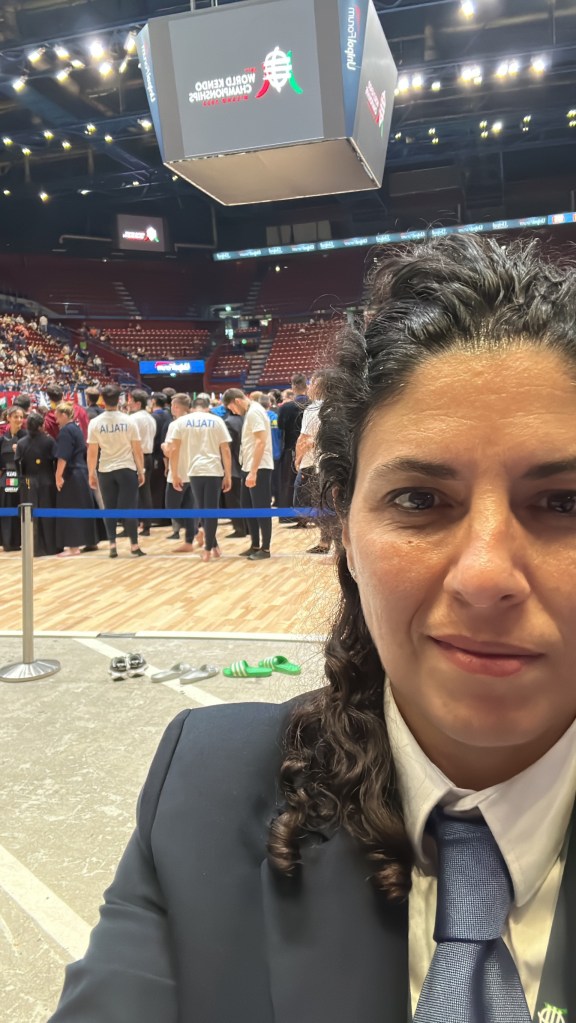
Kyung Wha Back (Korea): Shinpan
Female referee has been appointed to officiate at the 19th WKC marks a significant moment in the advancement of women’s participation in kendo officiating at the highest level.
I was impressed by the high level of kendo displayed by the European Kendo Federation. I sincerely hope that the formation of an Asian Kendo Federation will happen soon. Such an initiative would not only help expand the kendo community in Asia but also raise the overall skill level in the region. The establishment of a formal federation with national support would be a significant milestone for kendo’s growth in Asia.
Looking toward the future, it is important to increase the number of female referees at the WKC. We need to be proactive in preparing for and expanding the presence of female international referees. I would like to see more structured efforts, including holding 7th dan training courses and competitions specifically for women. Communication and collaboration among official federations and associations will be key to the continued advancement of women’s kendo.
After each WKC, a comprehensive evaluation is crucial to identify areas for improvement, particularly in judging. Our goal should be to enhance the transparency and fairness of refereeing decisions, ensuring that there are no grievances. This requires continuous, proactive efforts to improve the skills of referees.
We must all work together to ensure the continued development and future success of kendo. The future of the sport depends on our dedication and cooperation.
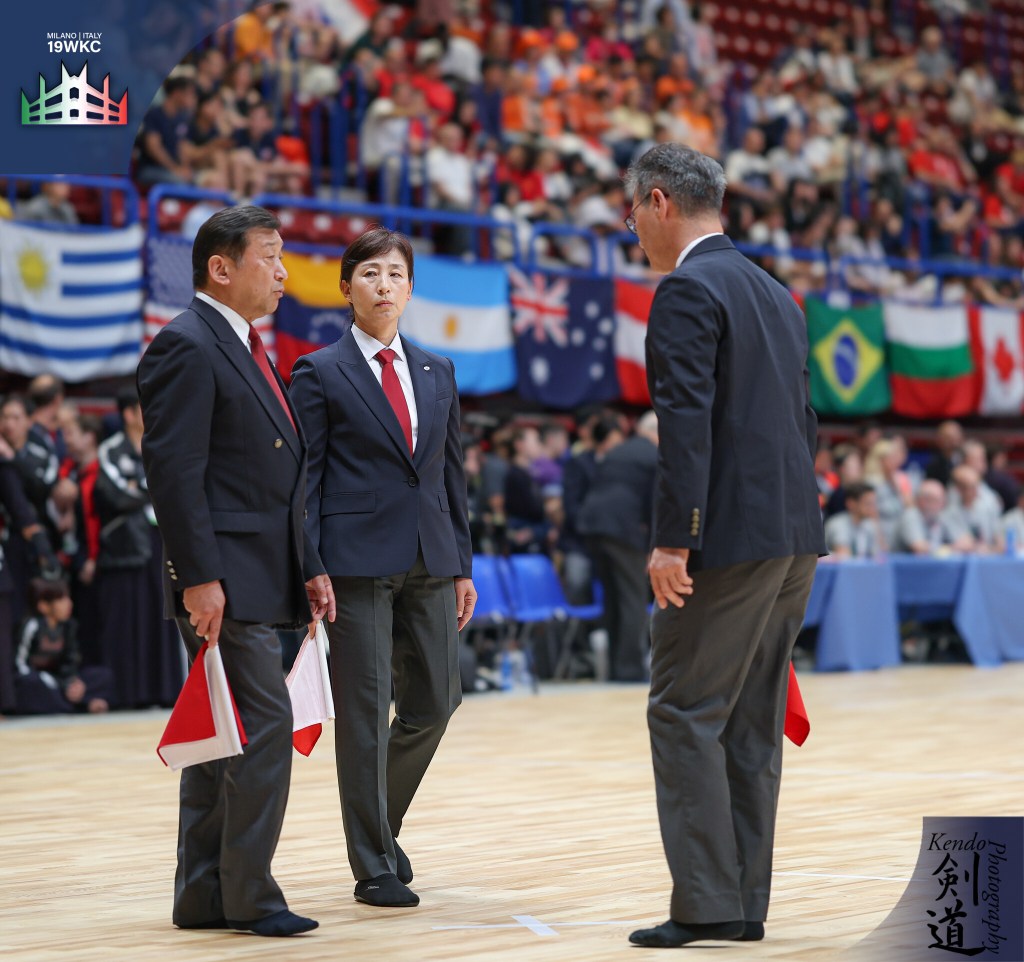
Yukiko Miura (USA): Shinpan
I was selected from the United States to serve as a shinpan at the WKC. I was greatly honored to participate as the first woman to referee at the WKC along with eight other women. We women were able to referee not only the women’s matches but also the men’s matches, and I didn’t feel any difference in the roles of female and male referees here. The nine of us talked about wanting to show the world that women can also referee men’s matches well. We were able to referee with confidence and dignity. In fact, I also received words of praise from other referee on the same court, and that helped me.
Corona rules were adopted for this tournament, and special attention was paid to moment of tsubazeriai. I think all players were very understanding of this rule and took appropriate measures. I believe there were no major disruptions during the matches. The female players from all countries were very skilled, but I felt the level of the Japanese team was exceptionally higher. Since I know a few of the them, I spoke with them, and they said that any tournament held in Japan is always at the top level. They approached this event with the mindset that they absolutely could not lose, given that they were representing from such a high level.
Out of the 7 players on the US team, only one had previous experience in a WKC. I also had practice matches with them, and I think the team came together more as the days went by. In the men’s matches, not only Japan and Korea but also the European teams had become very strong, and Austria also fought very well. As everyone saw, the final of the men’s team event ended on a very sour note, and I believe it will be a challenge to address in the future tournaments. All the referees attended numerous seminars, studied, and came to this tournament fully prepared.
Of course, I was nervous before I stepped on the court, but once I was on the court, I forgot about my nervousness and was able to concentrate. The players had worked so hard for this tournament, so I also concentrated on not making a careless decision that could change their lives. I will share what I learned in the seminar and the tournament with the US Kenshi. I believe my next mission is to convey to the US Kenshi what I have learned at the seminars and the tournament, and I will continue to work hard every day with this in mind.
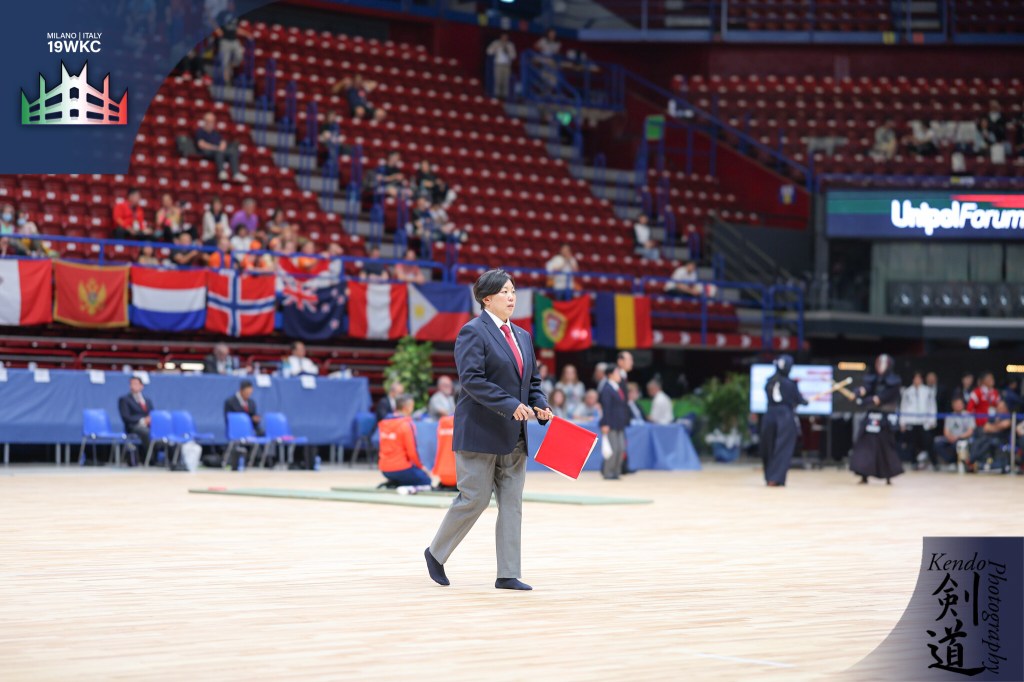
Toshimi Yoshida (USA): Shinpan
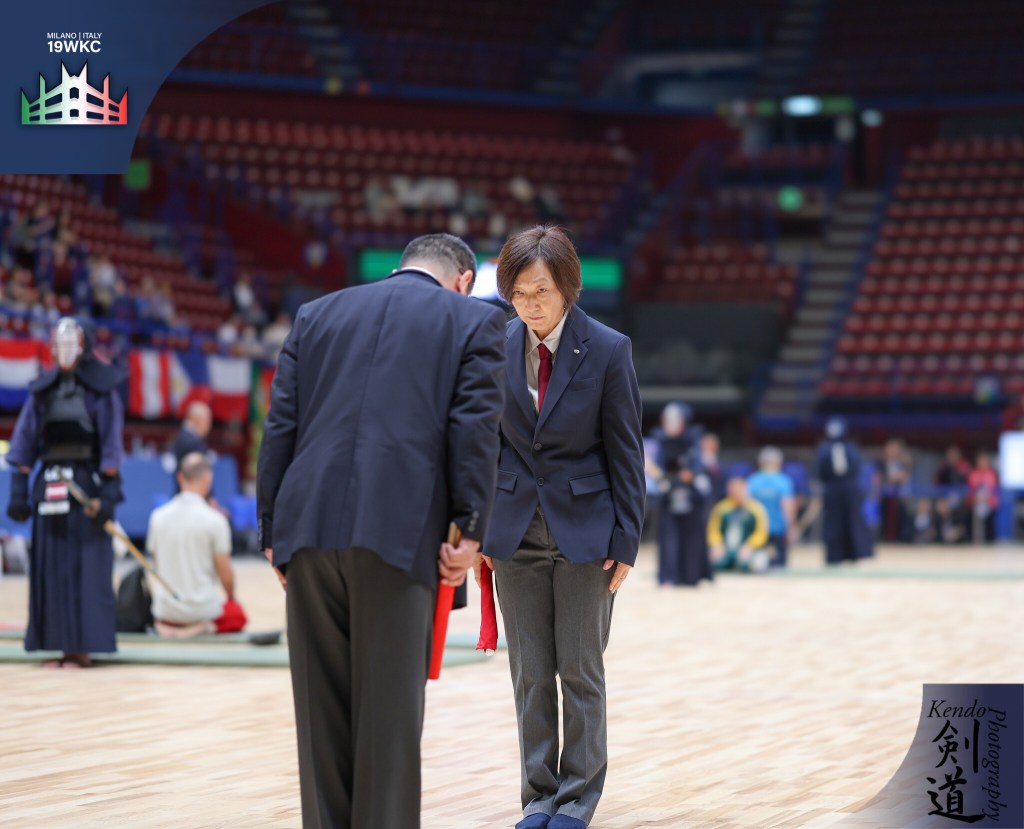
I was very honoured to participate as a referee in the 19th WKC, especially as one of the first female referees, and to represent the United States. While it was perhaps overdue and many voices had been raised, I really appreciate this International Kendo Federation’s (FIK) advancement of including female referees at the WKC. Especially, it was a step forward that both female and male referees were called upon to judge matches regardless of the players’ gender. It was indeed preceded by the 2023 World Combat Games in Riyadh where most of the female judges at the WKC had participated as well. Importantly, while we had this terrific opportunity, we must remember that there are many female sensei and senpai who have been contributing to the community, and that has led the way to this historic event. The 19th WKC was an absolutely unforgettable event in my life. Together we will strive to keep the momentum going and uplift our kohai.
Kazue Daigo (Great Britain): Assistant Team Coach
Looking back at the tournament schedule, kendo still seemed to be a male-dominated art. The women’s individual competition was set for Thursday, the day with the fewest spectators, and an excellent final decided this WKC’s women’s individual champion. The men’s individual competition was held on Saturday, which was expected to have the second largest audience during the tournament.
Natsuki Grossin (France): Women’s Team Head Coach
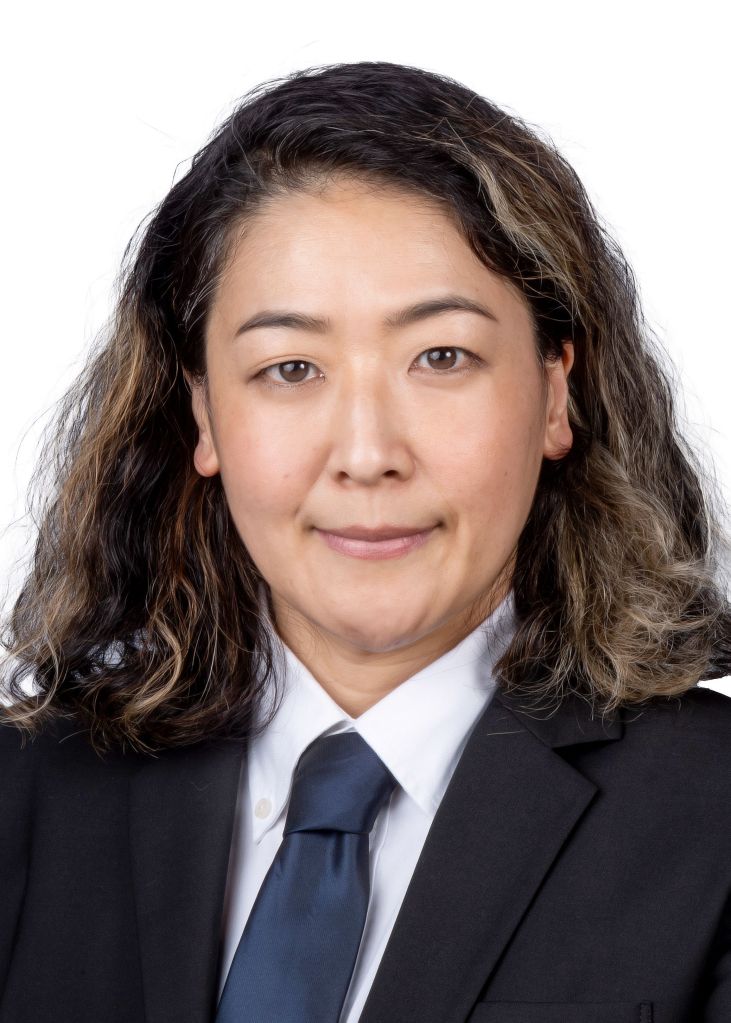
Kendo is a wonderful martial art that can be practised by men and women of all ages, and I am delighted that women referees were included at the WKC for the first time. As a coach myself, I learnt a lot from my first World Championships. Strong teams are not only strong in kendo, but also in courtesy, which we, the French team, can learn from. I love and cherish all of the women members of Team France. I want to continue to train with them and grow both in kendo and as a person.
Park Youn Jung (Korea): Women’s Team Head Coach
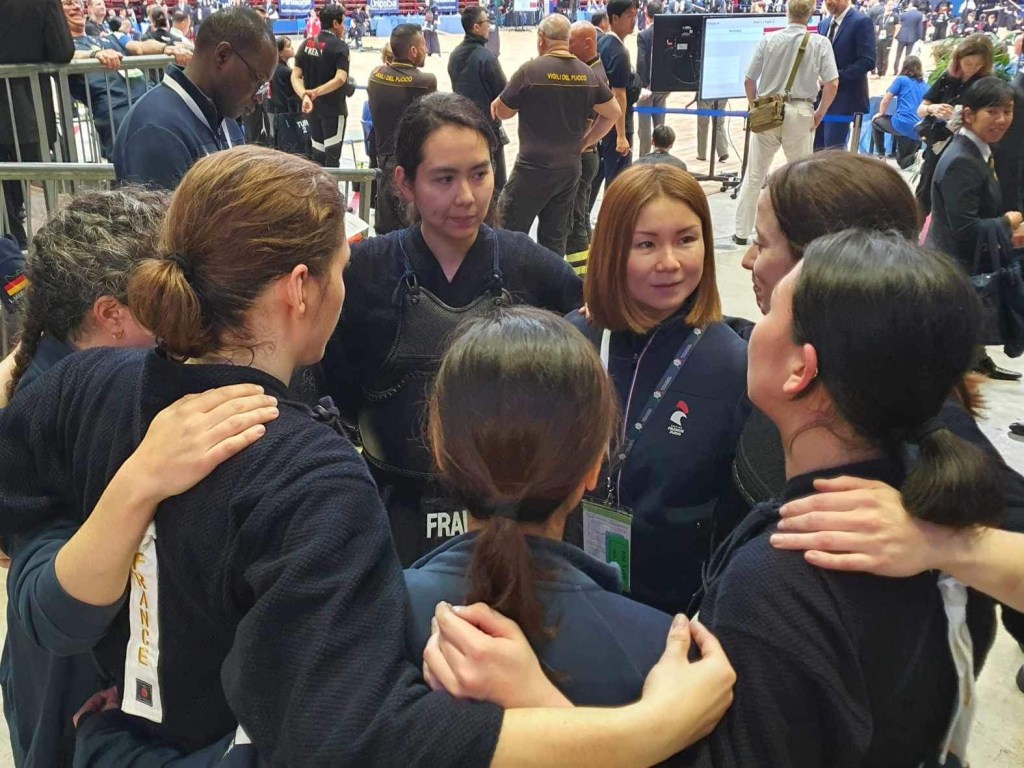
For the first time, I participated in the World Kendo Championships (WKC) as a coach rather than a player. In Korea, our team follows a rigorous training schedule, with four daily sessions: early morning, morning, afternoon, and night. We have always been close but fell short against Japan, so our focus has been on how to confront them head-on, emphasizing confidence, proper posture, and refining technique.
As the newly appointed women’s head coach, I wanted to share everything I had learned with the players. In the initial stages of training, we concentrated on building physical strength while meticulously revisiting the fundamentals of kendo. Earlier this year, we also held a training camp in Japan to further hone our skills.
As expected, the Japanese players exhibited superior skills in terms of distance, striking precision, maintaining the center, footwork, confidence, and retreat techniques. At the camp, they outperformed us in nose-to-nose fighting and countering moves as well. However, as our training progressed, our players gradually adapted. They began to find openings and respond with well-timed attacks, gaining momentum with every match. I believe the training camp in Japan offered invaluable lessons to our players. When we returned to Korea, we continued to address the areas we needed to strengthen through intensive reinforcement training.
By the time we participated in the 19th WKC in Italy, the team had built greater confidence, particularly in their strikes. Although I noticed the nerves among our female players, I had faith in their abilities. What surprised me most was the remarkable improvement in the European competitors. Their physical condition, strength, and techniques were far superior to what I had seen during my own competitive days.
However, I was deeply disappointed with some of the refereeing during the matches between Korea and Japan. Rather than awarding points based on accurate strikes, I observed that the referees would often raise their flags when the shinai came close to the opponent’s striking area, without a proper hit. Korean players struggled to understand the rationale behind these judgments. This confusion caused our players to lose focus, and in their frustration, they rushed their attacks, which ultimately led to defeat.
It was especially frustrating to witness our players being penalized while incorrect judgments were made in favor of our opponents. After months of hard training and sacrifice, to lose in such a way was heartbreaking. All I could do was comfort the players, even though I shared in their disappointment.
In the end, we finished as runners-up in the team competition. Although we fell short of our ultimate goal, we take great pride in what we achieved. I would like to extend my gratitude to the many people who supported us in Korea: the President of the Korean Kumdo Association, Jeon Young-sul sensei, Byung-Yoon Seo sensei, our head coach, the men’s coaching team, and the Korean Kumdo Association for their unwavering support. To all the coaches and players who contributed to this journey, I thank you.
At the 20th WKC, which will be held in Japan, I hope our juniors will prepare even more thoroughly and bring home the championship. With continued dedication and teamwork, I am confident that they will achieve great success.

Juneko Kurahashi (Canada): Women’s Team Assistant Coach
I recently had the honour of being assistant women’s coach for the Canadian Team at the 19th WKC. The new schedule of allotting a full day for women’s individuals allows us more consideration for the players we can use in the individual division; in the past our choice was limited by regard for player fatigue. I was also happy to see women shinpan. These types of changes show our young girls that the future of women’s kendo is strong, and gives me hope that our voices will continue to strive for positive change.
Antigoni Tsintza (Greece): Women’s Team Head Coach
This WKC was the second time we participated with a women’s team and I am incredibly proud of the result we accomplished in the team event, passing the pool and making it to the top 16. I’m also proud that all the records set for Greek kendo were set by women and I hope that it can inspire ladies that start kendo in our country. In Milan, women’s kendo showed unapologetically that it is competitive and strong and I believe that comes from the will of our athletes to have the equality we deserve.
Having separate days for the individual and team event has helped empower women. It gave the feeling that women aren’t just an afterthought, they are important and deserve more than being forced to finish everything in one day. Having women referees was also empowering. Female representation in every role is the key to bring more girls to kendo and make them stay as they can see they are able to have a future after their competitive career if they want to. I wish the number of women referees increases and that new steps made are bigger, so we can close the gender gap in kendo eventually.

Song Yi Yang (USA): Women’s Team Assistant Coach
Coaching the USA women’s team to a bronze medal was a very rewarding experience. They faced the incredibly strong Korean team, and although they didn’t win, the team fought with everything they had. Watching them give their all and pushing beyond their limits was inspiring to watch. The women’s team came closer than ever before to beating Korea and despite the loss, their resilience and unity were truly remarkable. It was evident how their teamwork and belief in each other turned what would have been challenges into opportunities. For the next WKC, the women’s team will train harder together to fulfill their dreams and goals.

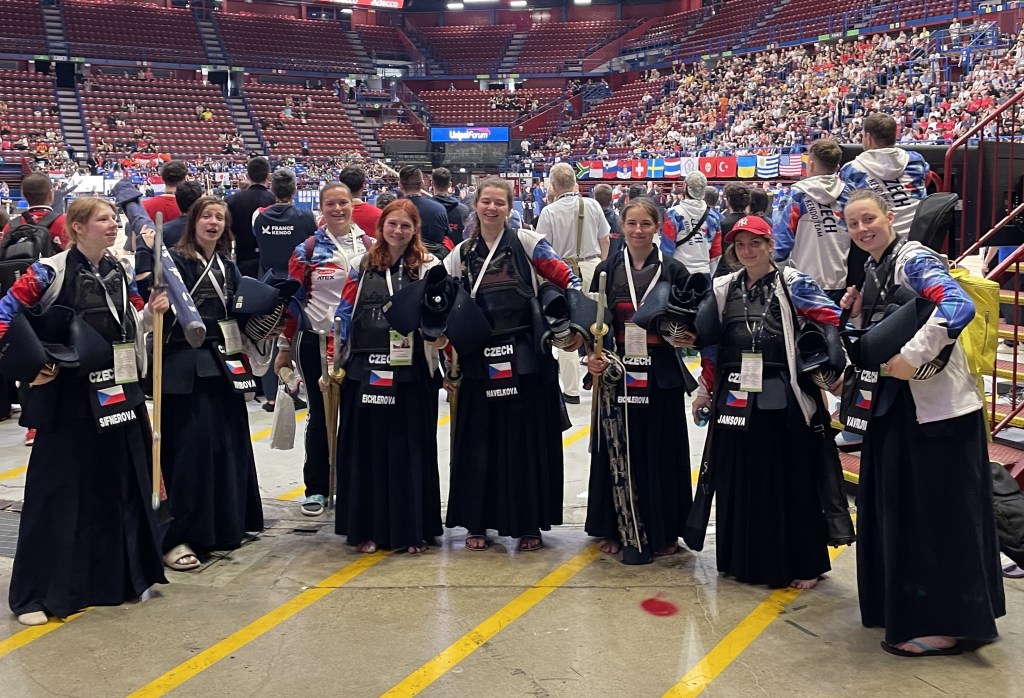
Viktorie Eichlerová (Czech Republic): Competitor
I was deeply impressed by the level of women’s kendo. You expect high standards, but experiencing it at the World Championship for the first time is overwhelming. The support from both, your team and those around you is immense. It was truly inspiring to see encouragement from other women’s teams. Women’s kendo is now on par with men’s kendo. It has often been seen as less interesting, but the fighters here proved that women’s kendo is of exceptional quality. The dedication and skill demonstrated have shown that women’s kendo deserves the same recognition and respect.
Julie Feng (Australia): Competitor
The 19th WKC saw a lot of progress for women’s kendo on the world stage. It was really evident that the standard of women’s shiai is getting higher and higher. It’s really heartening to see the inclusion of female shinpan and an even distribution of competition time to the women’s matches which should very much be the norm. I feel great excitement and optimism for the growth of women’s kendo across the world.

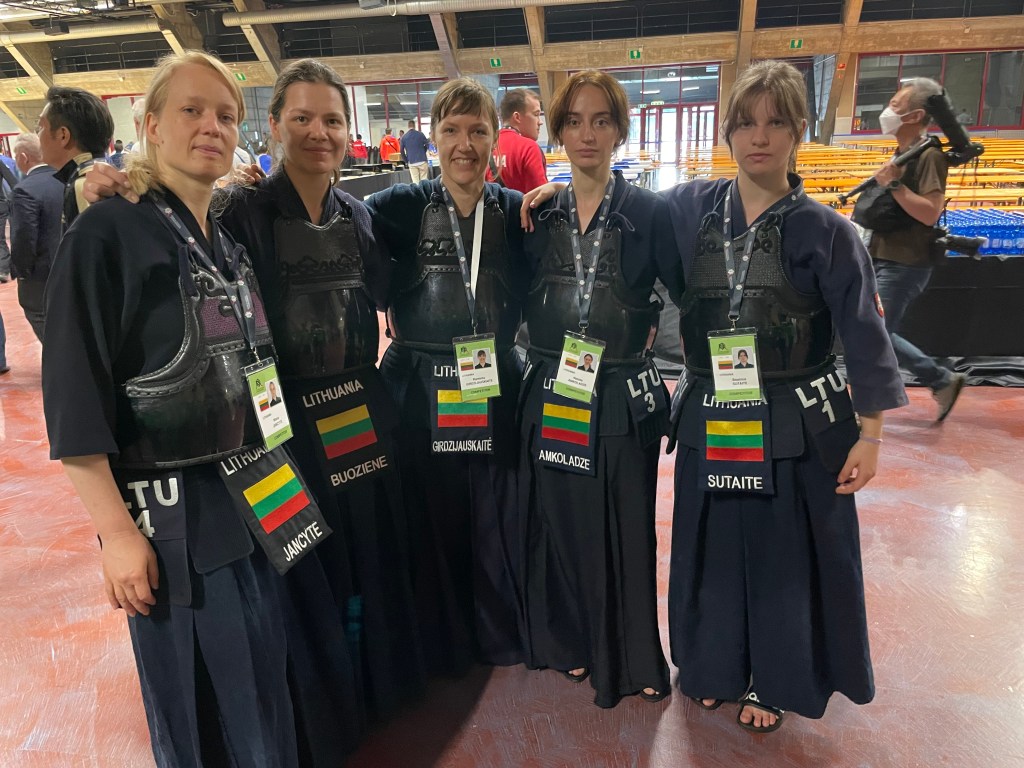
Mona Jančytė (Lithuania): Competitor
This WKC was my second world competition where I represented my country. In general, the days of waiting for one’s fights are tiring, and watching men’s fights, one loses some confidence in one’s kendo. So, in my opinion, this year’s WKC schedule was much more favorable for women. As for the women’s fights, everyone did their best, but I would like to highlight the performances of the Canadian, Japanese women. Their strikes came from the body, with a natural continuation of the pressure he applied, and the speed and surprise of the attacks themselves made me rethink the concept of tame, its importance and its greater application in women’s fights. Another thing is that at this event, points were deducted for fighting etiquette violations such as cheering and disrespecting opponents. The penalties handed down by the referees emphasized once again that kendo is not a sports game and refereeing must be merciless.
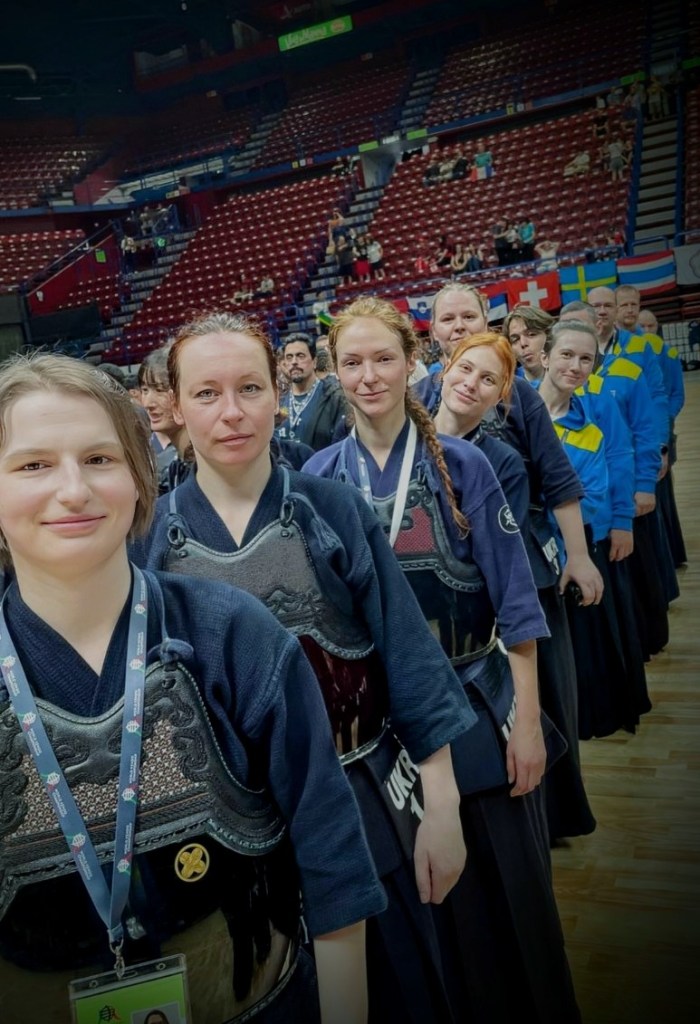
Nataliia Kalinichenko (Ukraine): Competitor
I saw, met and talked with people from the kendo community all over the world now. For the first time in my life, I met people who were doing kendo from other continents. I never would have thought to meet people from Hawaii, Uruguay, Canada, USA, Macau, Brazil and so on. I’m really happy and proud that we showed that Ukraine is a part of the kendo community despite the fact that our country is in a war.
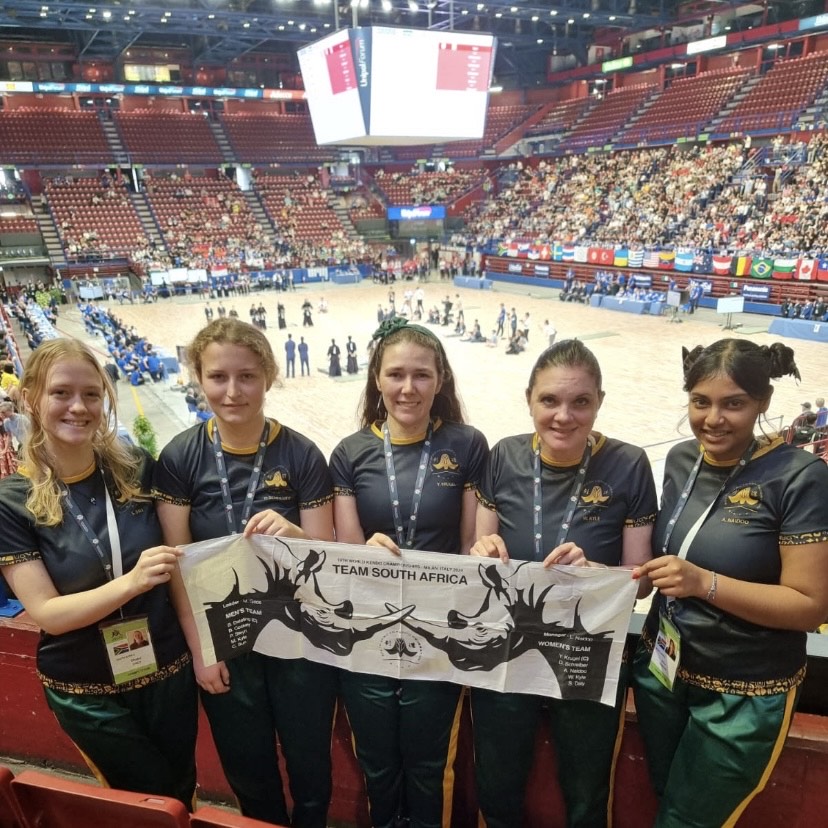
Yentl Krugel (South Africa): Competitor
2024 is a special year for Kendo in SA not only for the WKC, or that it marks three decades since we joined a broader global community through the EKF and FIK, but it is momentous for our female practitioners because it was the first time in our history (since 1990 when Kendo was founded within our boarders) that we could have a 5-member woman’s team. Another first being to send a woman’s team to a WKC ever. It has been my privilege to serve as captain and I am exceptionally proud of each pioneering lady’s contribution to the legacy we have built for generations to come.
Sofia Niba (Italy): Competitor
Something that really impressed me was the kendo of some women at the WKC. The style was different from the orthodox standard and it had its own physicality, rhythm and form; yet, it was strong, elegant, powerful. Just different. The aim of all of us is having a strong and effective kendo but I think that the shape of it it’s changing with time and globalization.
I was proud of my team as a whole, but especially the women’s team. We took a lot of time to build our performance and our team spirit. We grew together not just in kendo but also as people. Being able to fight against Japan was a huge gift, and I’m proud of what we’ve accomplished individually and collectively to reach this first step towards our biggest goals.
I think that dividing the team tournament in two days was a very good choice. I was skeptical at first, thinking that this change would have sacrificed both tension and focus on the goal, but it optimized our outcome. We were able to rest, re-frame and observe the environment, the players and the crowd around us. I think that in these high tense situations, you lose consciousness of time and space and personally, I regret not creating a memory out of it. I get lost in the schedule and I forget to be in the present, enjoy the moment and breathe the feeling of my surroundings.
I think that the level of women‘s kendo has improved. We are able to witness a lot of fearless players with technical skills and strong fighting spirit. Regarding Italy, I have seen a major interest in the female kendo and an investment for its growth from our Federation. As a person who has dealt with a lot of injuries by fighting against men, I am relieved to see that the population of women in kendo has increased so that we had our first Women’s Team Championship. The competitiveness was high and we were able to express ourselves without having the fear of getting hurt by the opponent’s physicality. We took our space and recognition.
I think that including female shimpan is a natural and logical consequence of the development of kendo. The role of women in kendo is crucial and I think we could surpass the concept of the “pink quota.”
My heart goes to the CIK volunteer staff at the WKC. They woke up at dawn and left at sunset, with the heat, the pressure. Despite the stressful conditions they always smiled and they were so available to everyone. Just seeing them next to us during all the championship gave me chills and warmth. The value of their work is not quantifiable.
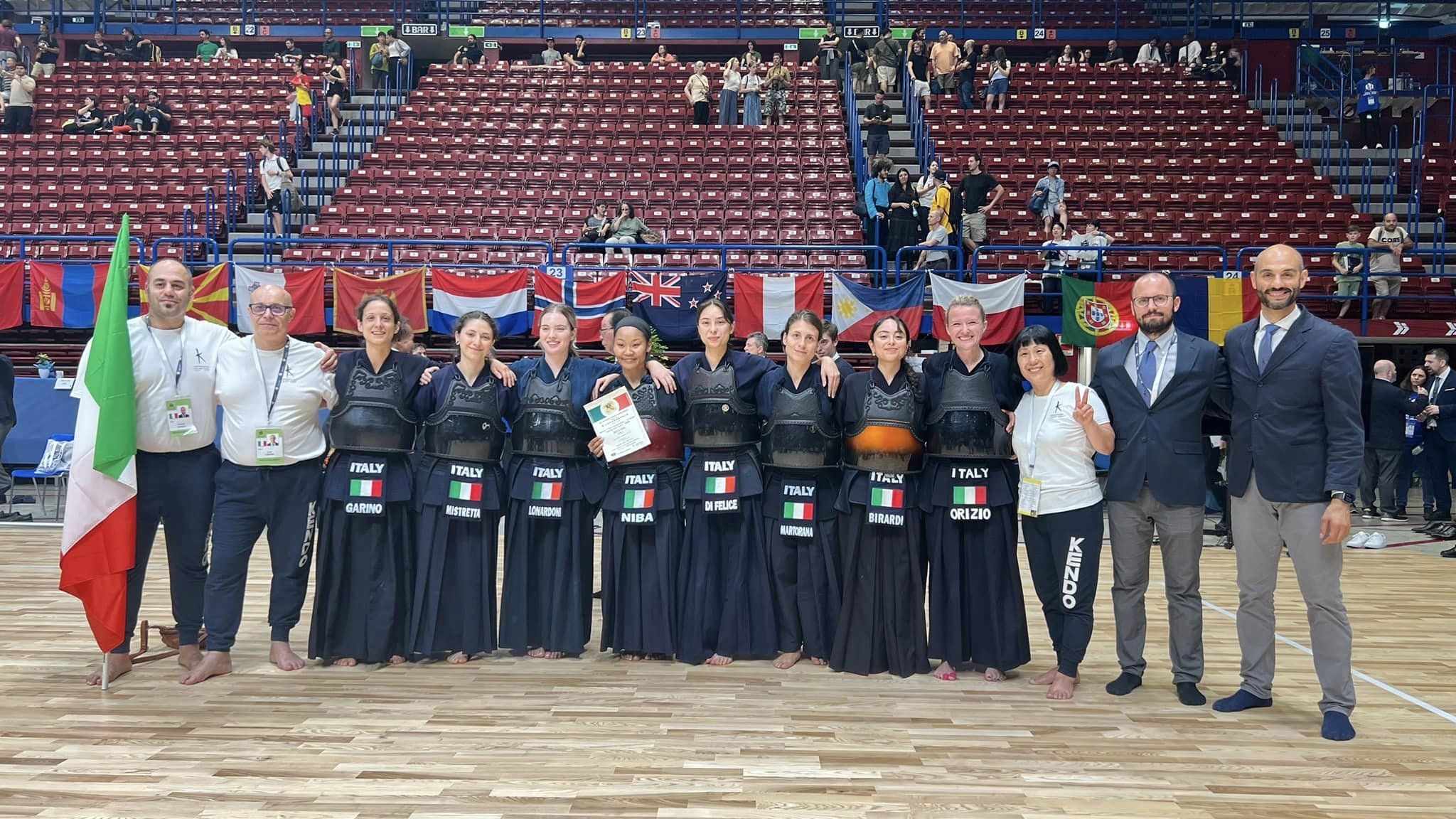
Elina Onaka (Brazil): Competitor
I was very pleased to see that the women’s individual and team matches were held on separate days. This allowed us to have distinct strategies for individual and team events. Additionally, I believe that the technical level of all delegations has improved since the last World Championship. This has personally inspired me, and I believe that international exchanges through tournaments significantly contribute to this technical advancement. My hope is that more events like these continue to take place, as improvements and equality in competitions are crucial for the growth of this sport worldwide.
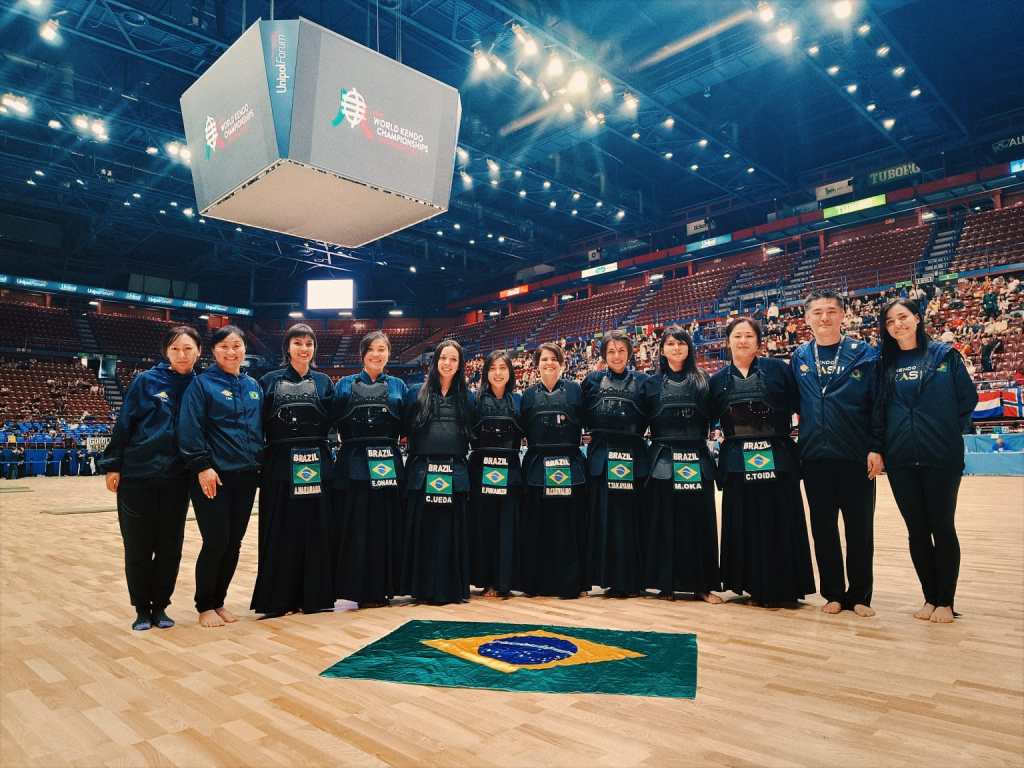
Tugce Belin Stinchi (Turkey): Competitor
This is my third WKC and second as a competitor and the environment of WKC is always such a full of emotions for me. So many high level of kendokas from all over world, sometimes you don’t really know which shiajo to follow because you don’t want to miss that amazing ippon or fighting going on at the same time in different shiajos so just being there as a part of this is something magical. I know that this was the highest participation ever in the WKCs and I think the CIK did a great job and organised a really successful event in every part of the event.
I am proud of our women’s team performance. In the previous WKC in Korea, we were in the last 16 but we were not able to demonstrate the potential of our kendo, even though in this WKC we could not get out of our pool which consists of Japan, Germany and France. At this WKC, I believe that we demonstrated beautiful and strong kendo. In some of our matches we brilliantly won our matches against top level opponents and even though we couldn’t get out the pool, getting compliments from different sensei and other kendokas was meaningful to us. I mentioned the Turkish women’s team’s performance but this was not possible if we had not had the great support of the Turkish men’s team before and during the competition.
In regards to the new WKC schedule, this was how it should be. There is a difference in what you can express in less time with a tired body and mind. More time means more seme, more tame, and the execution of a larger variety of techniques and the opportunity to settle into one’s rhythm to perform beautiful kendo.
I am a Kendo instructor of my own dojo Kendo Ravenna FudoMyoo in Italy and would like to share the perspective of some of my male students and their parents that came to watch the WKC. They told me that watching women’s matches was better to watch from a technical perspective and that the men’s matches demonstrated excessive force. I totally agree with this opinion watching women’s kendo especially Team Japan’s kendo is really poetic and something close to Zen.
So, I believe that apart from gender, when you give the right time and space to someone to express herself it would show the beauty inside as much as other male fighters. It is not a secret that Japanese kendo is top but I need to be honest, the Japanese women’s team kendo was technically superior to the Japanese men’s team kendo.
I also think refereeing is a really hard job. Therefore, referees who are selected for WKC from countries outside of Japan, should be given the chance to practice refereeing in Japan in the Japanese tournaments to get use the rhythm and fastness so once they are trained for these they are not only worried of missing the Japanese ippons but with heart and mind open refereeing not only for one side, but fairly for both competitors.
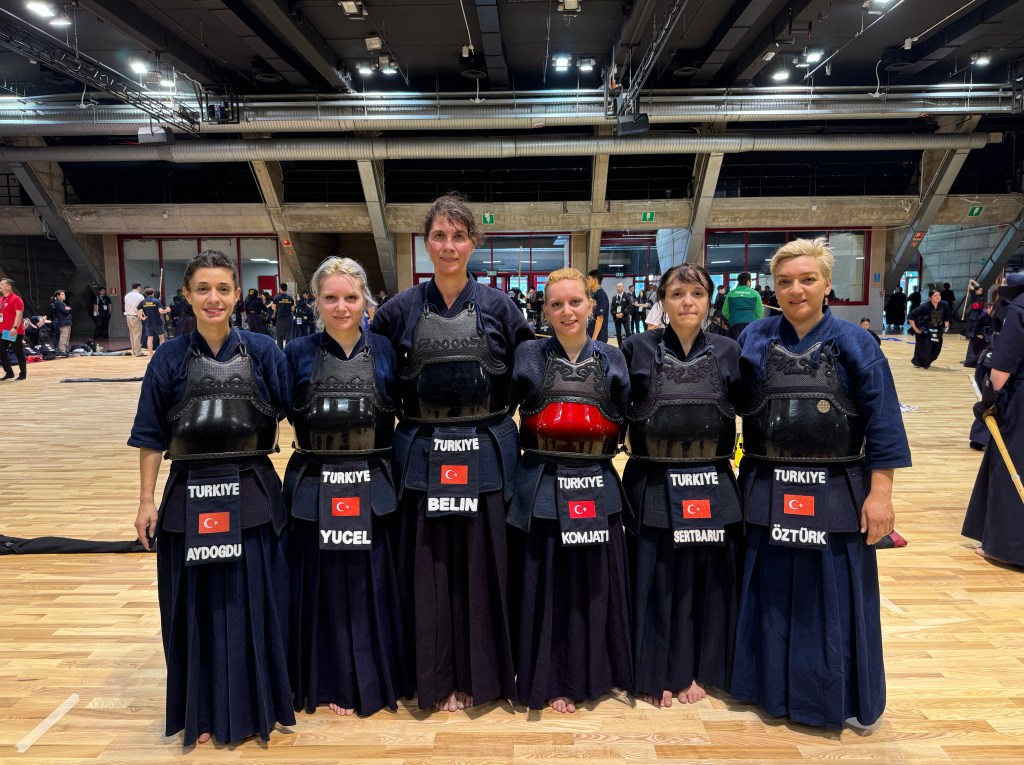
Lisa Van Laecken (Belgium): Competitor
I’m thrilled to have been part of this successful WKC. Italian Kendo Federation did an incredible job hosting such a large-scale event post-COVID. And I truly thank the volunteers. they were amazing. Balancing motherhood, career, and competitive kendo was very challenging for me this year, but the unconditional support of my sensei, my coaches and my team kept me pushing forward. Winning the Fighting Spirit Award is a dream come true. I am immensely proud of the Belgian team’s historic performance. I am certain this team will become much stronger the upcoming years. I will make sure of that. The strong bonds of friendship woven among European kendo nations at this WKC perfectly embodied the essence of “Ko Ken Chi Ai.”
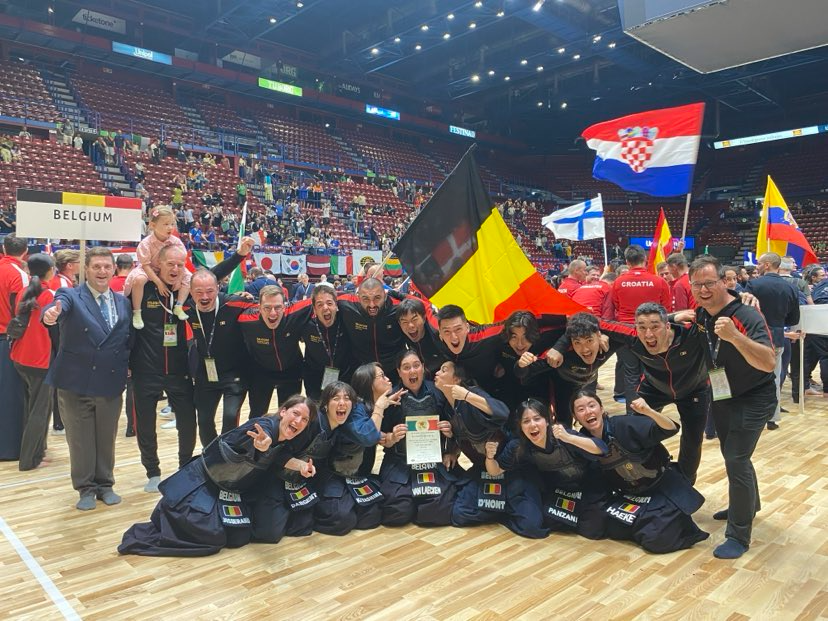
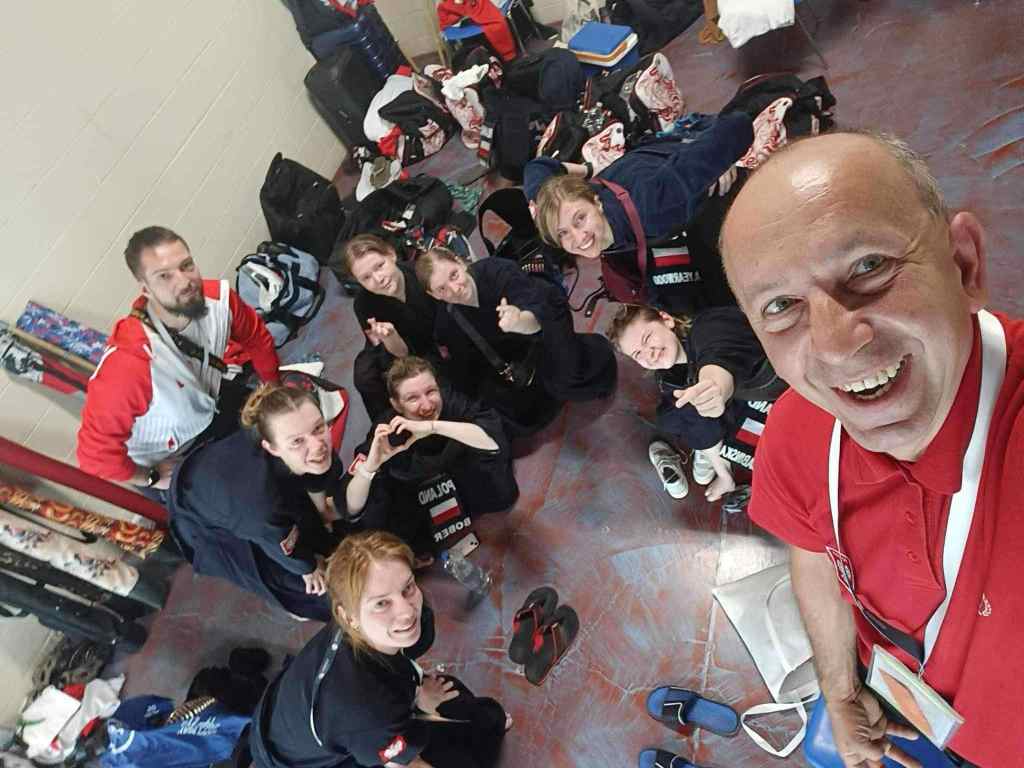
Alina Yearwood (Poland): Competitor
I took part in 3 WKCs before the WKC in Milan and I remember that having 2 tournaments [individual and team event] in a day was a struggle. It requires not only great stamina to give it all in each shiai, but mostly it was about changing mindset and approach to fighting as it’s different how you play it individually vs when you fight for your team and it depends on overall score during the match.
That’s why I was glad about the change made in the schedule for this WKC and I think it worked well for women as they were given time to reset their mindset after the individuals, get rest and be fully there for the team event. It showed in the level of the team shiai during the pool and knockout matches which in my opinion were more consistent, you could observe a strategic approach towards fighting a match as the ladies were fighting not as individuals but as a team.
Towards the Future
The above reflections share how deeply WKC kendo impacts upon women’s engagement in kendo and their personal lives. It was significant to witness the progress towards gender equality at this WKC and also how much women’s international kendo had developed in the last 6-years. I was also touched by the number of competitors and coaches who approached me to share that they appreciated my articles that strive to raise the status of women in kendo through acknowledging their achievements and knowledge, as well as gender-specific issues.
Despite the optimism generated by the changes at the WKC and positive reflections shared, I also felt an uncomfortable feeling that can best be described as disillusionment. Afterall, the organisational changes that gave women equal opportunities at the 19th WKC seemed so easy to implement that it seemed the event could not have been organised any other way.
At this point, I wondered if my motivation to improve as a competitor would have been higher, or my kendo would be better, if I had seen female shinpan at the WKC earlier in my career, or had the extra minute per shiai and day to perform at the 6 WKC I had competed in and at competitions in my home country. Apart from Japan, many countries had applied the WKC 4-minute match time for women’s shiai in their national tournaments. These practices of inequality had likely communicated indirectly that women’s bodies are weaker and that their kendo is less important―on a global scale.
I am somewhat curious to know in what ways had I internalised gender inequality in kendo through my participation at the WKC over 24-years and how had it impacted on my personhood and kendo development. I will never know the answer to these questions.
The stories women shared during and after the WKC, as well as my own experiences of competing and coaching, has left an emotional residue that is both hopeful and somewhat less so. From a gender equality perspective there is progress in kendo, but leading up to the WKC and during it, “traditions” of male domination, male-centredness, and cultural proprietorship were red flagged.
These experiences, lived, observed and heard, made me question to what extent has kendo culture really evolved. Why are these “traditions” so difficult to transform and why is it so easy for kendo culture to be revert back to male-centredness and male sporting norms in the absence of women leaders and focused attention on women’s kendo development. Why is it so difficult to speak up in kendo? Cultural change can take place if male privilege is no longer protected by “tradition” or accepted as “the norm.” Cultural transformation could be accelerated if men were also to proactively willing to contribute to change and be self-reflexive of their coaching skill and behaviour.
Nevertheless, the 19th WKC was a historic event for women’s kendo that symbolised improved opportunity. International women’s competitive kendo has developed significantly. The marked improvement is outstanding considering the 6-year gap between the 17th and 19th WKC and the most exceptional performances were executed by teenagers and young adults who were also WKC first-timers. The quality of the women’s team final was exceptionally higher, a result COVID rules and that both teams showed more confidence and dexterity in their kendo compared to the previous WKC held in 2018.
Micro-Actions Manifesting Change
Despite this progress that this WKC symbolised, women’s kendo remains unstable. It is still difficult for some nations to field women’s teams at the WKC, even for those that have previously registered teams for over 20-years, such as Sweden. In addition, many women’s national teams lack depth in terms of women’s experience and leadership. There is a tendency for many women to drop out of kendo after their national team participation. After all, the cost and sacrifice of being a national team member is extremely high.
The critical question now is how can federations, coaches and peers better nurture and support women’s athletic aspirations and personhoods in ways that inspire women to continue kendo, personal grow through kendo, and take up leadership positions. What micro-actions, systems, and structures can support the transformation of national team cultures towards being more inclusive spaces where women’s kendo is prioritised in ways that helps to further bolster their skill, motivation and sustain their engagement.
Examples of Micro-actions that Support Women’s Kendo Development:
- View women as equal to men―not as “pretty objects” or children
- Call out leadership behaviour that is harmful or abusive
- Provide equal training and development opportunities
- Set similar levels of commitment and performance expectations
- Prioritise how women are positioned in training and dojo settings
- Schedule women’s categories in tournaments to symbolise equal status
- Encourage women members to lead parts of training
- Ask women what style of coaching they prefer
- Regularly acknowledge women’s development and contribution
- Play an active support role in women’s personal journeys to the WKC
- Nurture personal development through WKC kendo
- Invite or request AJKF female sensei/national team members abroad
- Organise national team shiai opportunities
- Coach and encourage women to become leaders
This is a visual and symbolic example of a micro-action that raises the status of women in kendo through positioning women other than second to men:
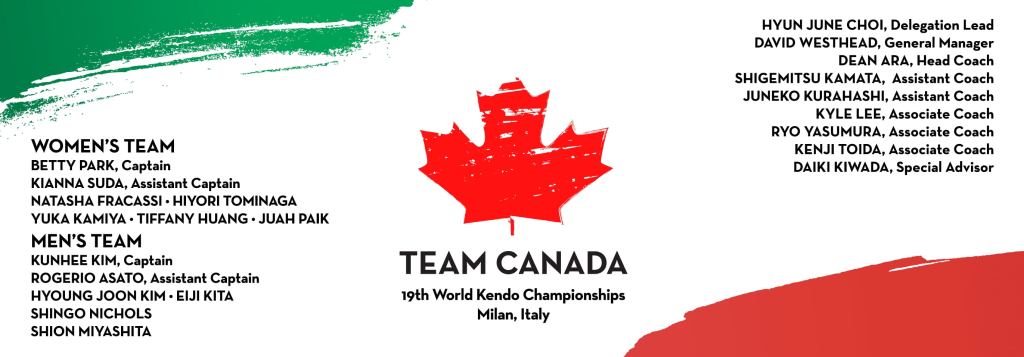
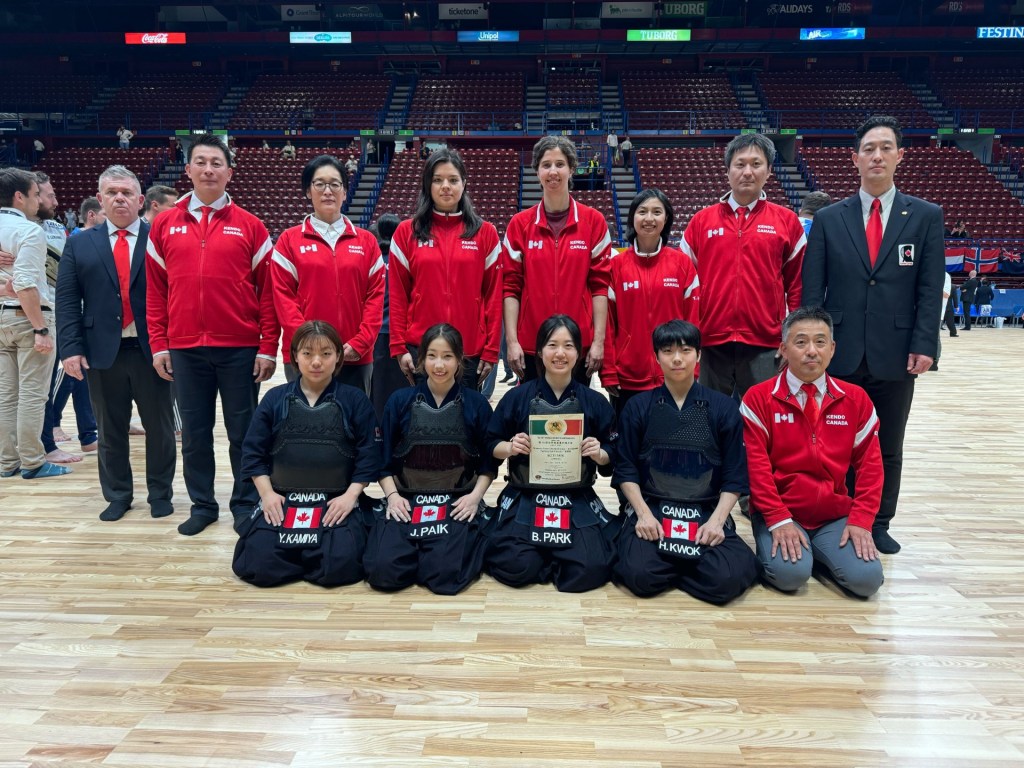
Canada’s women’s team performance at this WKC was particularly awe-inspiring. Especially considering the young age of the team and that only one of the members had previously competed at a WKC. The performance reflected the member’s dexterity and dedication to their WKC journeys. However, it is worth mentioning that the coaching skill and micro-actions staged by Team Canada’s head coach, Dean Ara also had a significant impact on the women’s team performance and their overall experience of the WKC.
Team Canada’s captain, Betty Park commented:
“I found Ara sensei’s approach to coaching the women’s team to be mindful, equality-focused, and extremely effective. He made us feel valued and prioritized. For example, during practices, he would position the women at the front of the line or have us practice in the more prominent areas of the dojo.”
“While these may seem like small gestures, they made us feel seen and at the forefront rather than pushed to the back. This not only boosted our morale but also encouraged us to work harder. Ara sensei possesses a deep technical understanding of how to enhance our skills as women in kendo. Instead of emphasizing strength alone, he focuses on techniques such as tenouchi, footwork, fumikomi, and a wide variety of waza.”
“Ara sensei encouraged us to be smarter competitors, relying on skill rather than physical advantages. As a result, I believe this approach significantly contributed to our team’s success at the WKC.”
“Ara sensei and assistant coach Juneko Kurahashi sensei complemented each other. As assistant coach, she significantly supported Ara sensei, and their long-standing relationship fosters mutual respect and trust in their leadership. She also serves as a vital liaison for our team, offering invaluable guidance as an experienced female kenshi and role model.”
Park’s words provide a truly inspiring and hopeful example of how male leadership in national teams can also promote and support the growth of women’s kendo, and obviously in ways that are important to women. All of which shows that positive national team experiences can have a far-reaching impact on the lives and personal development of female members—in ways that can cultivate motivation to improve and the courage to lead.
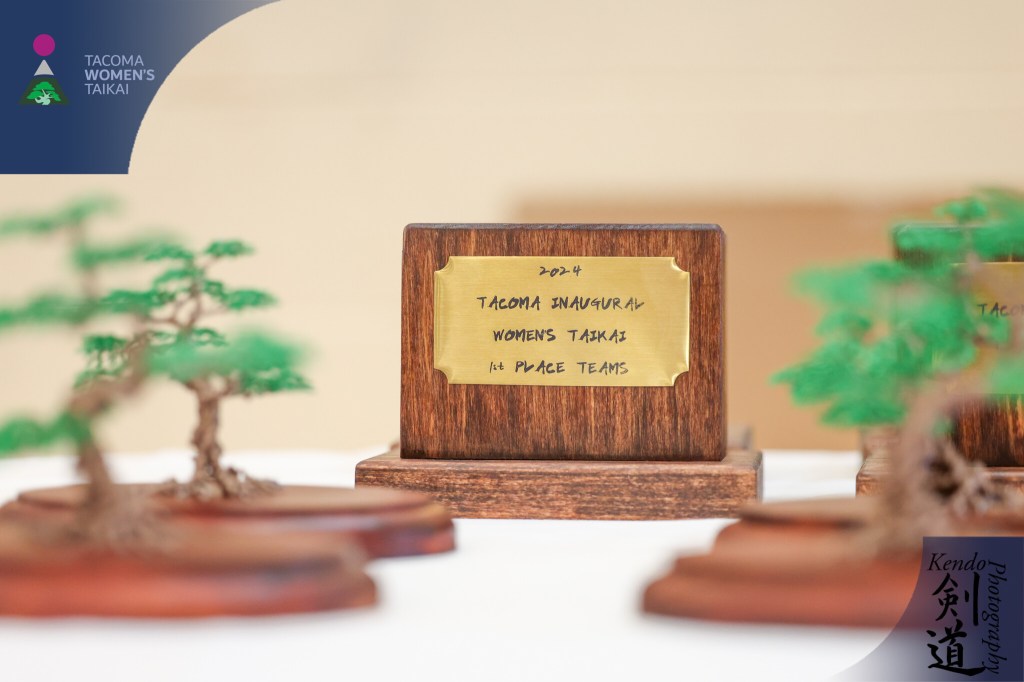
This article concludes with an incredible example of courage. Team Canada’s senpo, 17-year-old Juah Paik, organised the first Tacoma Women’s Taikai in Washington, USA last month. In support of the event, national team coaches Dean Ara, Juneko Kurahashi, as well as members of Team Canada attended. It was a symbolic and powerful gesture of solidarity and support.
Acknowledgements
A special thank you to coach of the Australian National Kendo Team, Daniel Jeong, whom assisted greatly in communication between Korea-based shinpan and coaches and the translation of their reflections.
Disclosure statement
The articles published on this website present the owner of this blog website’s perspective, based on personal experiences, unless stated otherwise. They do not represent those of people, institutions or organisations that the owner may or may not be affiliated with in a personal or professional capacity unless explicitly stated. All content in these articles are for informational purposes only. People’s perspectives that may appear as information in these articles, do not reflect the perspective of the owner or other people’s perspectives. Any views or opinions are not intended to malign any religion, ethnic group, club, organisation, company or individual. The owner of this blog makes no representations as to the accuracy or completeness on this site or found by following a link on this site. The owner will not be liable for any errors or omissions in this information nor for the availability of this information. The owner will not be liable for any loses, injuries or damages from the display or use of this website.
 Kate Sylvester Perspectives
2 responses to “‘Women’s Participation at the 19th World Kendo Championships (Part 2): Women’s Collective Voices.’”
This is such a wonderful article. There is great depth of research into such a range of perspectives from women kendoka. A truly inspiring read, thank you Kate-sensei.
LikeLike
Awesome Kate and all contributeers!!!
LikeLike